Skin Rejuvenation Treatments Ranked: A Doctor’s Honest Guide
Cutting Through the Noise
Walking into a modern medical spa can feel like browsing a high-tech electronics store. You are greeted by a wall of machines, acronyms like BBL and RF, and a menu of services that promises to erase ten years from your face. For patients in Sugar Land, the sheer volume of options can be overwhelming. Is a laser better than a peel? Does microneedling actually work? Which procedure gives you the most return for your time and money?
As an Internal Medicine physician, Dr. Vuslat Muslu Erdem (Dr. V) approaches aesthetics differently than a standard beauty clinic. The skin is an organ — your body’s largest one. When we talk about skin rejuvenation treatments ranked by efficacy, we are talking about cellular health, collagen synthesis, and long-term tissue viability.
There is no single “magic wand.” But there is a hierarchy of treatments based on what you are trying to fix, how much downtime you can handle, and what your skin type allows safely. This guide ranks the most effective modalities available today.
Before Ranking: Why Your Skin Type Dictates Everything
Before recommending any procedure, we must address the foundation: your skin type. Energy-based treatments interact with pigment and blood vessels differently depending on how much melanin is present in the skin. Providers reference the Fitzpatrick scale (I through VI), which categorizes skin based on its tendency to tan or burn.
This distinction matters because using the wrong energy settings on the wrong skin type can lead to burns, post-inflammatory hyperpigmentation, or scarring.
- Lighter skin (Types I-III) generally tolerates most lasers and aggressive peels
- Darker skin (Types IV-VI) requires extreme caution with heat-based lasers. The melanin in darker skin can absorb laser energy intended for the target, leading to burns or pigment changes. For these patients, microneedling and specific chemical peels often rank higher than lasers because they are safer and highly effective.
- Skin prone to melasma requires a cautious approach focused on controlled heat and strict sun protection, as aggressive treatments can paradoxically trigger more pigment
What worked for your friend may not translate to your skin. This is why consultations matter.
Tier 1: Surface Polishers (Low Downtime, High Glow)
These treatments are the foundation of skin maintenance. They will not replace a facelift, but they are essential for maintaining radiance and healthy cell turnover.
Chemical Peels
Chemical peels have endured for decades because they deliver. By applying a safe chemical solution to the skin, we induce controlled exfoliation. Light glycolic peels provide a quick glow with essentially no downtime, while deeper TCA peels offer significant resurfacing.
Best for: Acne, mild sun spots, dullness, and fine lines.
Do not underestimate the power of a series of medical-grade peels. They are an excellent entry point for patients who are not ready for energy-based devices.
Dermaplaning and Microdermabrasion
These mechanical exfoliation methods physically remove dead skin cells (and peach fuzz, in the case of dermaplaning).
Best for: Immediate smoothness and better product absorption. Think of these as “pre-gaming” your skin to make other treatments penetrate deeper and makeup sit smoother.
Tier 2: Collagen Builders (Moderate Downtime, Structural Change)
This is where real changes in skin quality begin. These treatments trigger the body’s wound-healing response to generate new collagen.
Microneedling
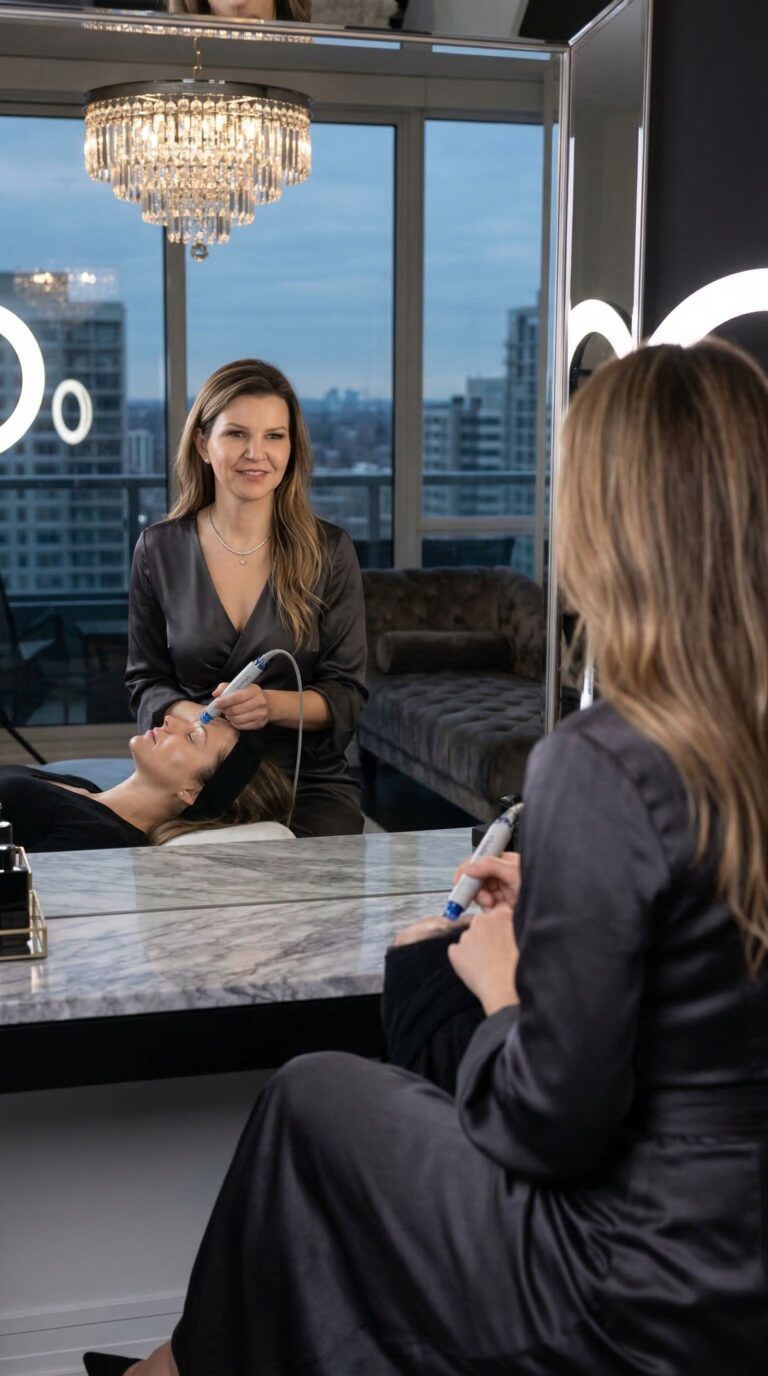
Microneedling uses a device with fine needles to create thousands of microscopic channels in the skin. This “controlled injury” forces the skin to repair itself, producing fresh collagen and elastin.
Best for: Acne scarring, pore size, fine lines, and overall texture improvement.
Microneedling consistently ranks high for versatility and safety across all skin types, including darker tones. Unlike some laser therapies, it carries a lower risk of pigmentation issues because it relies on mechanical stimulation rather than heat. Downtime is minimal — typically 24 to 48 hours of redness. Devices like the FDA-cleared SkinPen ensure a safe and standardized treatment, making this an excellent starting point for patients hesitant about lasers.
RF Microneedling
Radiofrequency microneedling combines the collagen induction of standard microneedling with the skin-tightening heat of radiofrequency energy delivered directly into the dermis through the needles. If standard microneedling is a strong treatment, RF microneedling amplifies it.
Best for: Skin laxity, deep wrinkles, and stubborn scars. The needles break up scar tissue while the heat tightens existing collagen fibers. Safe across all skin tones.
Tier 3: Light and Laser Powerhouses (Targeted Correction)
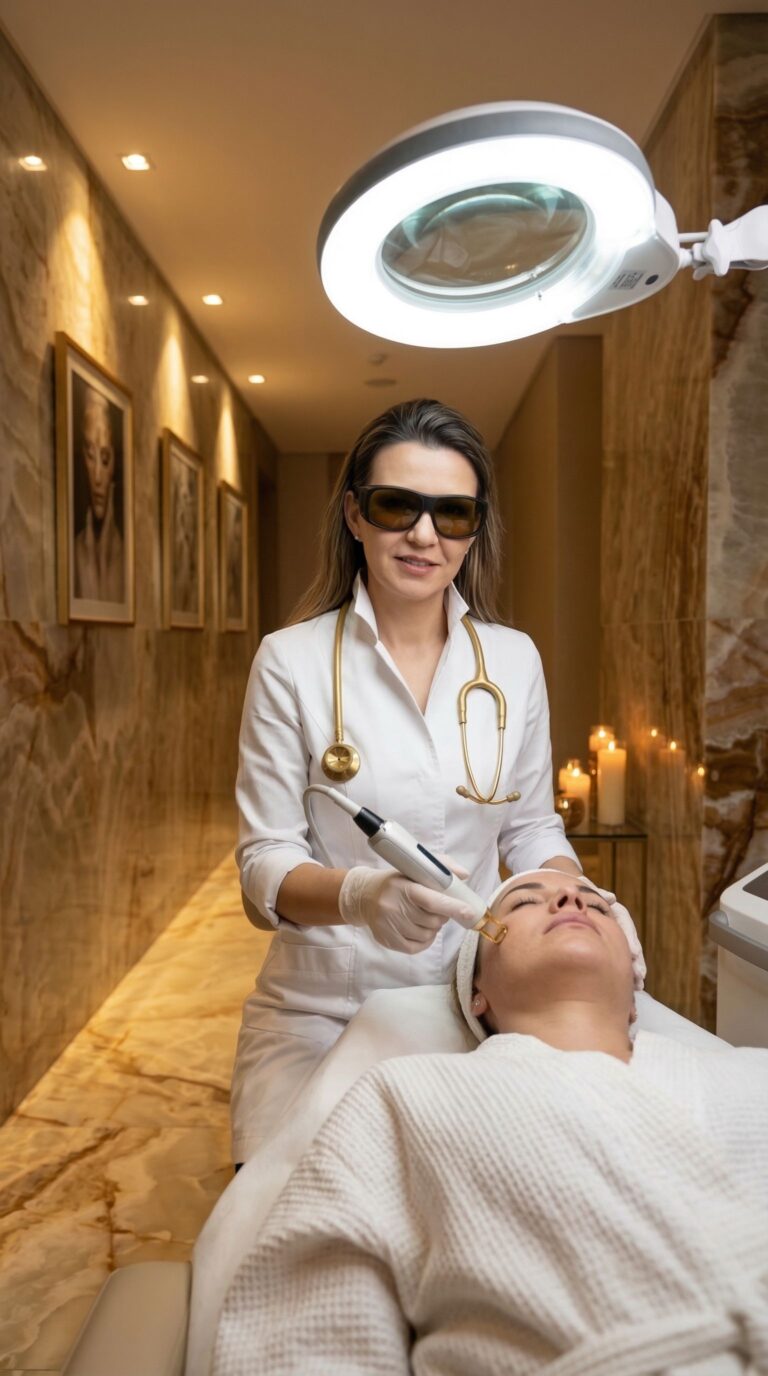
When we discuss skin rejuvenation treatments ranked by dramatic results, lasers and light therapies usually sit at the top. However, they require the most expertise to administer safely.
BroadBand Light (BBL) / IPL
Technically intense pulsed light rather than a true laser, BBL targets chromophores — specifically melanin (browns) and hemoglobin (reds) — in the skin.
Best for: Sun damage, age spots, rosacea, broken capillaries, and overall complexion clarity. Living in Texas, sun damage is nearly inevitable. BBL is outstanding for “cleaning the canvas,” restoring the creamy, even tone we associate with youth.
Minimal downtime for most patients. Pigmented spots often darken temporarily before flaking off within a week.
Fractional Laser Resurfacing (HALO, Fraxel, CO2)
These lasers create microscopic columns of treated tissue, leaving bridges of healthy skin intact to speed healing.
- Non-ablative fractional lasers (Clear + Brilliant, Fraxel Dual) stimulate collagen remodeling with 1 to 3 days of redness
- Hybrid fractional lasers (HALO) combine ablative and non-ablative wavelengths in a single pass, targeting both tone and texture simultaneously with moderate downtime
- Ablative fractional lasers (CO2, Erbium) deliver the most dramatic results for deep textural issues but require 7 to 10 days of recovery and carry higher risks for darker skin tones
Best for: Deep wrinkles, severe sun damage, and significant texture issues.
Ranking by Your Primary Concern
If Your Main Concern Is Pigment (Brown Spots, Redness)
1. BBL / IPL
2. Chemical peels
3. Medical-grade skincare with vitamin C (maintenance)
Light seeks out color. If you have sun spots, BBL acts like a magnet for that pigment, pulling it to the surface to flake off.
If Your Main Concern Is Texture (Scars, Pores)
1. Microneedling (standard or RF)
2. Fractional laser resurfacing
3. At-home retinoids (maintenance)
To smooth texture and fill pores, you need to stimulate collagen from the bottom up. Physical penetration (needles) or thermal columns (lasers) are required.
If Your Main Concern Is Laxity (Sagging, Jowls)
1. RF microneedling
2. Ultrasound treatments or deep lasers
3. Biostimulatory fillers like Sculptra
Tightening requires heat delivered to the deeper dermis to contract and remodel collagen fibers.
The Stacking Method: Combining Treatments
The most transformative results rarely come from a single modality. We stack treatments strategically:
1. Phase 1 (Tone): BBL to clear redness and sun spots
2. Phase 2 (Texture): Microneedling or HALO to smooth texture, refine pores, and stimulate collagen
3. Phase 3 (Maintenance): Medical-grade skincare, periodic maintenance treatments, and daily SPF 30+
By addressing aging from multiple angles — pigment, texture, and volume — we achieve results that look natural, not “done.”
The Prejuvenation Trend
The aesthetic landscape is shifting toward prevention. Patients in their late twenties and thirties are starting less invasive treatments (Tiers 1 and 2) to delay the need for Tier 3 interventions later in life. The concept is straightforward: bank collagen while your body is still efficient at producing it.
Dr. V often advises patients to view skin health as a marathon rather than a sprint. Aggressive treatments performed too frequently can compromise the skin barrier, leading to sensitivity and inflammation. By spacing procedures appropriately and allowing the skin to heal fully between sessions, you maximize collagen production without triggering adverse reactions.
Aftercare: Half the Equation
The work done in the clinic is only half the story. How you care for your skin at home determines the longevity of results.
- Sunscreen is non-negotiable. Daily broad-spectrum SPF 30+ is the single most impactful thing you can do. Without it, you undo your results and potentially worsen pigmentation.
- Hydrate. Keeping the skin barrier intact with gentle cleansers and moisturizers supports the natural repair mechanisms stimulated by your procedures.
- Avoid actives post-treatment. Pause retinoids and strong acids for a few days after treatment unless directed otherwise by your provider.
- Be patient. Think “refreshed and renewed” rather than instant transformation. A series of 3 to 5 sessions is often needed for lasting improvement.
Your Personalized Plan Starts Here
While rankings give a general framework, your skin is unique. What worked for your neighbor may not be the right fit for your physiology. If you are in Sugar Land and want a medical perspective on your skin health, Dr. V at Kelsey-Seybold Clinic can analyze your skin type, discuss your medical history, and build a custom plan that respects your budget and your calendar.
Let us move beyond the hype and find the treatment that ranks number one for you.
—
Medical Disclaimer: This article is for informational purposes only and does not constitute medical advice. Always consult with a qualified healthcare provider for personalized medical guidance. To schedule an appointment with Dr. Vuslat Muslu Erdem, call (713) 442-9100.