Anti-Aging Skin Care Guide: A Physician’s Science-Backed Approach
Medically reviewed by Dr. Vuslat Muslu Erdem, MD
Aging is a natural privilege, but how our skin reflects the passage of time is increasingly within our control.
The beauty industry is saturated with ‘miracle’ creams and complex 12-step routines that often promise more than they deliver. For many patients at Dr. V Med Spa, the sheer volume of conflicting information leads to ‘skincare fatigue’—spending significant amounts of money on products that don’t address the underlying biological causes of fine lines, volume loss, and hyperpigmentation.
In this comprehensive anti-aging skincare guide, medically reviewed by Dr. Vuslat Muslu Erdem, MD, we strip away the marketing hype to focus on the clinical evidence. We will explore the biology of skin aging, the ‘holy trinity’ of topical ingredients, the truth about collagen supplements, and how to bridge the gap between at-home care and professional medical aesthetic treatments.
Understanding the Biology: Why Skin Ages
To effectively slow the signs of aging, we must first understand what is happening beneath the surface. Skin aging is categorized into two distinct processes: intrinsic and extrinsic aging. Intrinsic aging is the genetically determined process that occurs naturally over time. As we age, our body’s production of collagen—the protein responsible for structural support—decreases by approximately 1% every year after the age of 20. Simultaneously, elastin fibers lose their resilience, and the natural turnover of skin cells slows down, leading to a duller, thinner complexion.
Extrinsic aging, however, is caused by external environmental factors and is responsible for up to 80% of visible skin changes. The primary culprit is ultraviolet (UV) radiation, which triggers the formation of free radicals that break down DNA and cellular structures. Other factors include pollution, smoking, and chronic inflammation. By understanding that most aging is preventable or manageable through lifestyle and targeted topicals, Dr. V can take a proactive stance in our aesthetic journey.
- Intrinsic aging: Natural decline in collagen and cell turnover.
- Extrinsic aging: Damage from UV rays, pollution, and lifestyle choices.
- The Dermal-Epidermal Junction (DEJ): Thinning of this layer leads to fragility and sagging.
- Oxidative Stress: The chemical process that accelerates cellular breakdown.
The Role of Collagen and Elastin
Collagen provides the ‘scaffolding’ for your skin, while elastin provides the ‘snap-back.’ When these proteins degrade, we see the formation of static wrinkles—lines that remain even when the face is at rest.
The Gold Standard: Why Retinol is Essential
If you ask any dermatologist or aesthetic physician for the most important corrective ingredient, the answer is almost universally a retinoid. Retinol, a derivative of Vitamin A, is one of the most studied molecules in dermatology. It works by communicating with skin cells to increase turnover and stimulate the production of new collagen. This results in smoother texture, reduced fine lines, and a more even skin tone.
However, not all retinol products are created equal. Over-the-counter (OTC) retinols must be converted by the skin into retinoic acid to be effective, whereas prescription-strength versions (like Tretinoin) are already in their active form. At Dr. V Med Spa, we often recommend starting with a medical-grade retinol that utilizes encapsulation technology. This allows the active ingredient to penetrate deeper into the dermis while minimizing the surface irritation—redness and peeling—often associated with Vitamin A use.
- Stimulates fibroblast activity to produce more collagen.
- Accelerates cellular exfoliation to clear pores and brighten skin.
- Inhibits the enzymes that break down collagen (MMPs).
- Requires consistent use for 12-24 weeks to see significant structural changes.
How to Start a Retinol Routine
Begin with the ‘low and slow’ approach. Apply a pea-sized amount every third night, gradually increasing frequency as your skin builds tolerance. Always apply to completely dry skin to reduce sensitivity.
Sunscreen: The Ultimate Anti-Aging Defense
No anti-aging skincare guide is complete without emphasizing sun protection. You can use the most expensive serums in the world, but if you are not protecting your skin from UV rays, those efforts are largely negated. Sunscreen anti-aging benefits are two-fold: prevention of DNA damage that leads to skin cancer and protection of existing collagen from solar elastosis (the thickening and yellowing of skin caused by sun exposure).
Modern formulations have evolved far beyond the thick, chalky sunscreens of the past. We now have access to sophisticated mineral (Zinc Oxide/Titanium Dioxide) and chemical filters that offer broad-spectrum protection without a white cast. For optimal anti-aging, look for a ‘Broad Spectrum’ label, which ensures protection against both UVA rays (the aging rays that penetrate glass and clouds) and UVB rays (the burning rays).
- UVA rays: Penetrate deep into the dermis, destroying collagen and causing long-term aging.
- UVB rays: Damage the outer layers of the skin and cause sunburns.
- SPF 30 or higher is the daily medical recommendation.
- Reapplication every 2 hours during direct exposure is critical for maintaining the protective barrier.
The Importance of Antioxidants with SPF
Pairing your sunscreen with a Vitamin C serum in the morning creates a synergistic effect. The antioxidant neutralizes free radicals that ‘leak’ through the sunscreen, providing a second line of defense.
The Truth About Collagen Supplements
In recent years, collagen supplements—powders, pills, and drinks—have exploded in popularity. The theory is that by ingesting collagen peptides, you provide your body with the ‘building blocks’ needed to repair your skin. While some clinical studies show promising results in skin elasticity and hydration, the medical community remains cautiously optimistic. The digestive system breaks down proteins into amino acids, and there is no guarantee these specific amino acids will be reassembled as collagen in the skin rather than being used elsewhere in the body.
That said, high-quality hydrolyzed collagen peptides are generally safe and may support overall skin health when combined with a nutrient-dense diet. However, they should be viewed as a ‘support’ rather than a ‘solution.’ For significant collagen remodeling, topical retinoids and professional treatments like microneedling remain the gold standard because they trigger a localized healing response directly in the target tissue.
- Hydrolyzed collagen is easier for the body to absorb.
- Supplements may improve skin hydration levels (the ‘glow’ factor).
- They do not replace the need for topical sun protection or retinoids.
- Consult your doctor before starting any new supplement regimen to ensure it doesn’t interfere with existing health conditions.
Professional Treatments: When Topicals Aren’t Enough
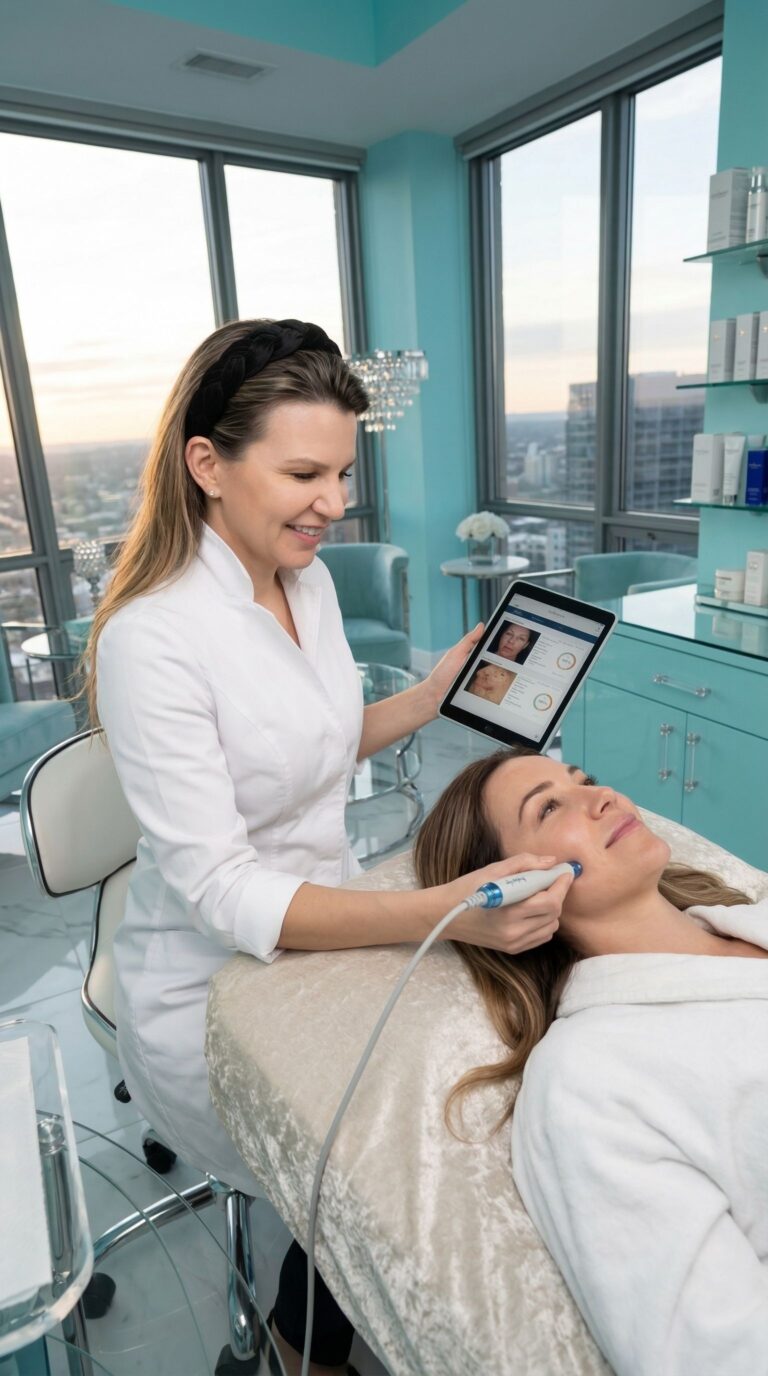
While a solid home routine is the foundation of skin health, there are biological limits to what over-the-counter or even medical-grade topicals can achieve. This is where professional medical aesthetic treatments become invaluable. Procedures performed in a clinical setting, like those at Dr. V Med Spa, utilize advanced technology to reach the deeper layers of the dermis where aging truly resides.
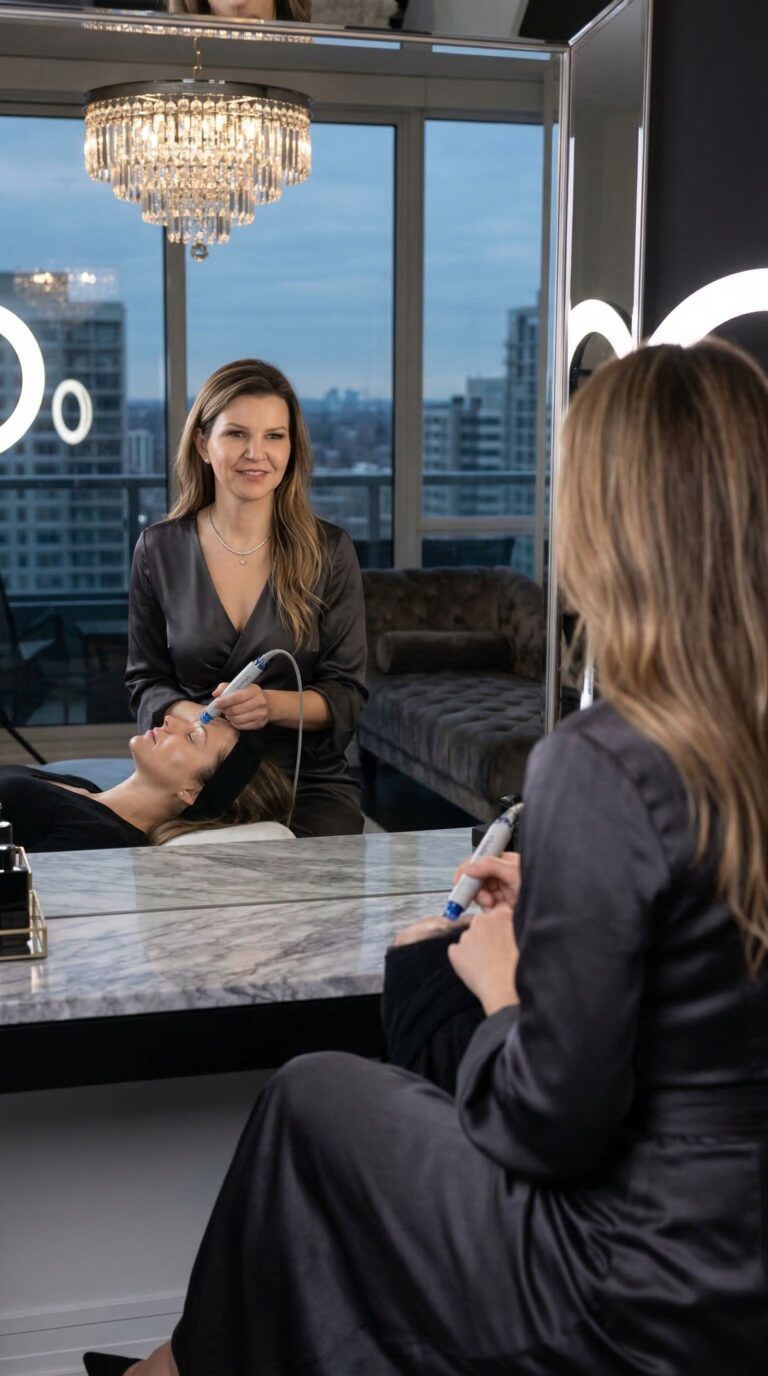
For example, microneedling creates controlled micro-injuries that force the skin into a state of rapid repair, flooding the area with new collagen. Dermal fillers can replace lost volume in the mid-face and temples that no cream can restore, while Botox (neuromodulators) can relax the muscles that cause deep expression lines. Integrating these treatments with your anti-aging skincare guide creates a comprehensive 360-degree approach to rejuvenation.
- Microneedling: Best for texture, scarring, and fine lines.
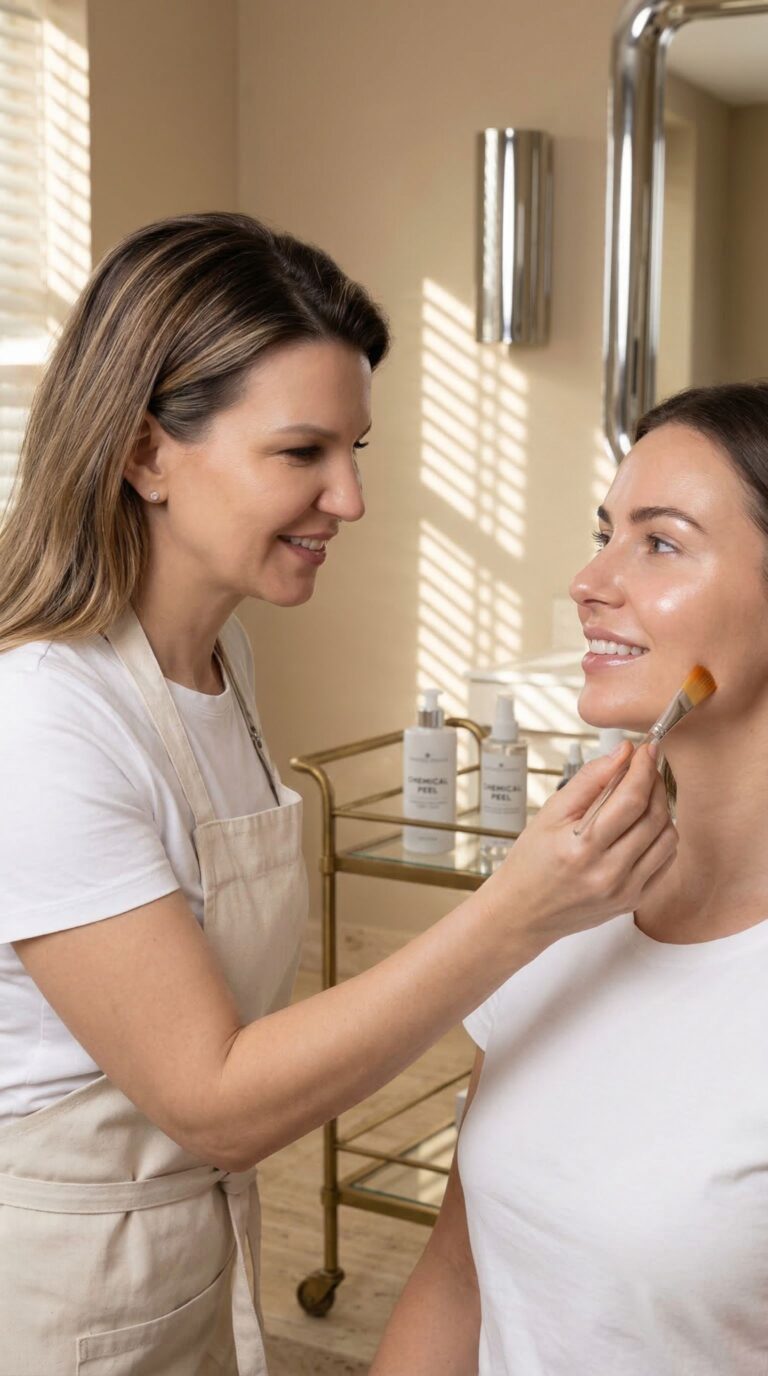
- Chemical Peels: Deep exfoliation to remove years of sun damage and pigment.
- Dermal Fillers: Restores the ‘inverted triangle’ of youth by adding volume.
- Laser Resurfacing: Targets deep wrinkles and significant hyperpigmentation.
The Physician-Supervised Advantage
Under the guidance of Dr. Vuslat Muslu Erdem, MD, treatments are customized to your unique skin anatomy and concerns, ensuring results that look natural and refreshed rather than ‘done.’

Effective anti-aging is not about chasing every new trend; it is about consistency with proven ingredients like retinol and sunscreen, supported by professional medical guidance. By focusing on the science of collagen production and protection, you can maintain a vibrant, healthy complexion at any age.
Your skin is a reflection of your health and history. Treat it with the medical expertise it deserves.
Frequently Asked Questions
At what age should I start an anti-aging skincare routine?
Prevention is easier than correction. While sun protection should start in childhood, introducing antioxidants and light retinoids in your mid-20s is ideal to preserve collagen levels before they begin to significantly decline.
Can I use retinol if I have sensitive skin?
Yes, but you must choose the right formulation. Look for encapsulated retinol or ‘bakuchiol’ (a plant-based alternative) and use the ‘sandwich method’—applying moisturizer both before and after your retinol to buffer its strength.
How long does it take to see results from anti-aging products?
Skin cells take about 28 to 40 days to turn over. For structural changes like wrinkle reduction from retinol, you should expect to wait 3 to 6 months of consistent use to see visible improvements.
Are medical-grade skincare products better than drugstore brands?
Medical-grade products typically contain higher concentrations of active ingredients and use superior delivery systems to ensure those ingredients penetrate the skin barrier effectively. They are also often backed by clinical trials.
Do I need to wear sunscreen indoors?
Yes. UVA rays, which are primarily responsible for skin aging, can penetrate standard window glass. If you spend time near windows or in a car, daily SPF is necessary.