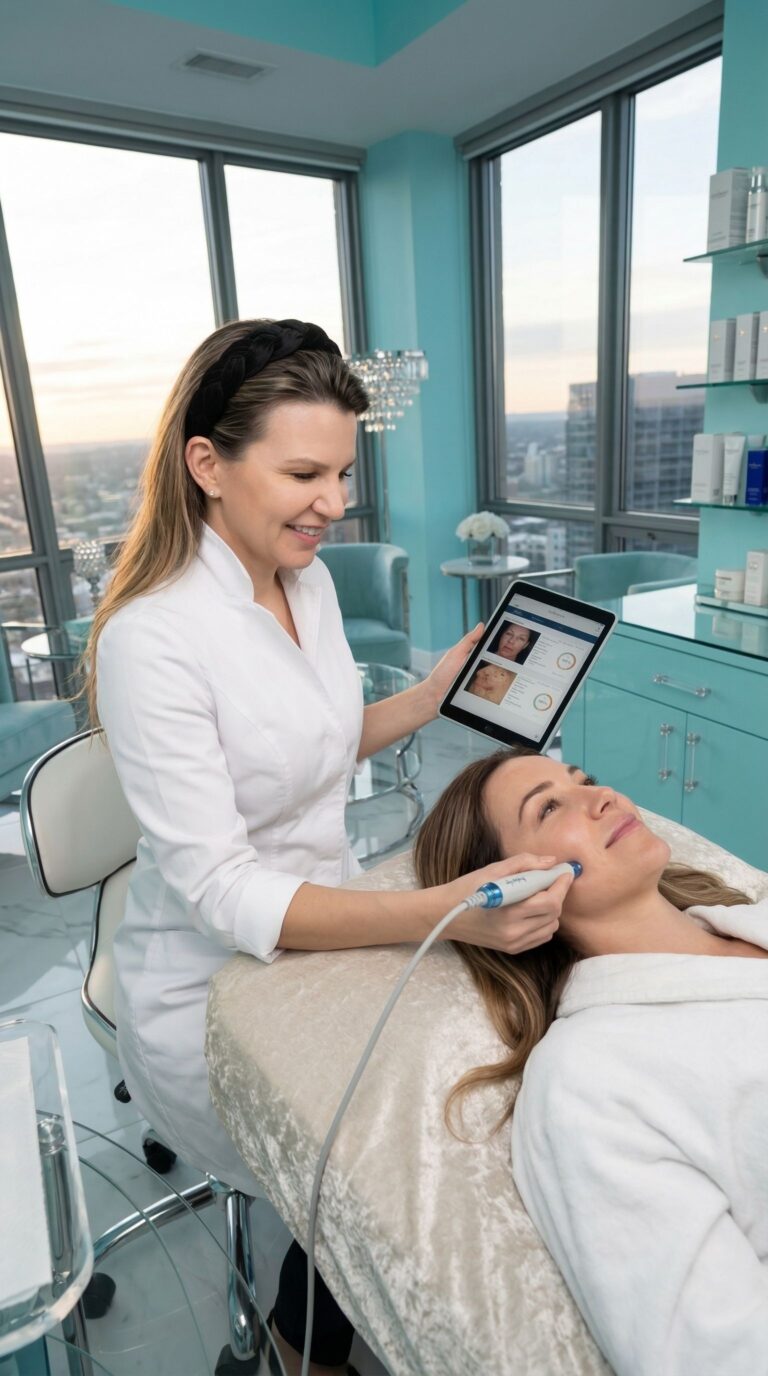
Prejuvenation Guide: Starting Fillers Early to Prevent Aging
Medically reviewed by Dr. Vuslat Muslu Erdem, MD
The old paradigm of aesthetic medicine was simple: wait until you see a wrinkle, then treat it. But a new philosophy is reshaping how we approach skin health.
Waiting until deep lines and significant volume loss appear often requires more invasive, expensive, and dramatic corrections. Many patients in their late 30s and 40s wish they had addressed the subtle signs of aging sooner, before the structural foundation of the face began to shift significantly.
This is the era of ‘Prejuvenation’—a proactive strategy combining prevention and rejuvenation. In this guide, we will explore the science behind starting preventative dermal fillers early, how to maintain a natural look while securing your skin’s future, and why early intervention might be the key to aging gracefully.
What Is Prejuvenation? The Shift to Proactive Care
Prejuvenation is a portmanteau of ‘prevention’ and ‘rejuvenation.’ It represents a fundamental shift in dermatological and aesthetic medicine, moving away from purely corrective treatments toward preventative maintenance. For Millennials and Gen Z, skincare is no longer just about soap and water; it is about preserving the skin’s structural integrity before significant damage occurs. The goal of prejuvenation is not to change your face or make you look like a different person. Instead, it is about maintaining the ‘you’ that you love for as long as possible.
Historically, patients sought aesthetic treatments only when sagging skin or deep folds became undeniable. However, modern aesthetic medicine understands that aging is a cumulative process. By the time a deep static wrinkle forms, the underlying damage to collagen and elastin has been occurring for years. Prejuvenation intervenes during this invisible phase. It utilizes lower volumes of product and less invasive techniques to support the skin’s structure, effectively hitting the ‘pause’ button on the aging process rather than trying to rewind it later.
This approach requires a delicate balance. It is not about rushing into procedures you do not need, but rather about understanding your unique facial anatomy and aging trajectory. Whether it involves a robust skincare routine, neurotoxins, or dermal fillers, the prejuvenation philosophy prioritizes skin health and long-term maintenance over quick, dramatic fixes. It is about small, consistent investments in your self-care bank account that yield compounded interest as you mature.
- Focuses on prevention rather than correction.
- Utilizes smaller, ‘micro’ treatments to maintain natural structure.
- Targets the biological causes of aging before they become visible flaws.

The Science of Facial Aging: Why Start Early?
To understand why preventative dermal fillers are effective, we must first understand the biology of facial aging. Many people believe aging starts when they see their first wrinkle, but the physiological changes begin much earlier. Scientific consensus indicates that collagen production—the protein responsible for skin firmness and elasticity—starts to decline by approximately 1% per year starting in our mid-20s. This means that by the time you reach 30, you may have already lost a noticeable percentage of your skin’s structural support.
However, aging is not just skin deep. It occurs in multiple layers: the bone, the fat pads, the muscle, and the skin. As we age, we experience bone resorption, particularly around the eye sockets (orbit), the cheekbones, and the jawline. Simultaneously, the deep fat pads that give our face its youthful, rounded contour begin to shrink and slide downward due to gravity and weakening ligaments. This loss of deep structural support is what eventually leads to the formation of nasolabial folds (smile lines), jowls, and under-eye hollowness.
Starting fillers in the prejuvenation stage (typically late 20s to early 30s) allows a physician to replace this lost structural support in real-time. By placing small amounts of filler in strategic areas where bone density is decreasing or fat is shifting, Dr. V can maintain the scaffolding of the face. This prevents the skin from draping loosely over a shrinking frame, effectively delaying the formation of deep folds. Think of it like maintaining a house: it is far easier to repair a small crack in the foundation today than to rebuild a collapsing wall ten years from now.
Collagen and Elastin Depletion
Elastin, which gives skin its ‘snap back’ quality, also degrades over time and is very difficult for the body to regenerate. Early interventions that stimulate the body’s healing response or provide physical support can reduce the mechanical stress on the skin, preserving elastin for longer periods.

How Preventative Dermal Fillers Work
When we talk about preventative dermal fillers, the care team is rarely talking about the over-filled, puffy looks that give the industry a bad reputation. In a prejuvenation context, fillers are used as ‘micro-optimizations.’ The primary agent used in these treatments is Hyaluronic Acid (HA), a naturally occurring sugar molecule in the body that attracts and binds water. When injected, HA fillers do more than just fill a void; they hydrate the tissue and provide mechanical support.
In a preventative capacity, fillers act as a buttress against gravity. For example, placing a small amount of filler in the lateral cheek can support the mid-face, preventing the downward slide that creates heavy smile lines. This does not necessarily make the cheek look ‘fuller’ in a way that is perceptible to others; it simply keeps the cheek where it used to be. Furthermore, research suggests that the presence of cross-linked hyaluronic acid in the dermis can actually stimulate the body’s own fibroblasts to produce new collagen. This means the filler is not just sitting there; it is actively improving the quality of the skin around it.
Another aspect of preventative filler is correcting genetic structural deficits that may predispose you to premature aging. For instance, some people are born with a weak chin or recessed jawline. As they age, this lack of bone support will cause the neck and jawline to sag much faster than someone with strong bone structure. By augmenting the chin or jawline early with aesthetic injectables, the practice creates the structural support needed to hold the skin taut for years to come, delaying the onset of jowls.
- Provides a scaffold to support skin against gravity.
- Hyaluronic Acid attracts moisture, improving skin hydration and texture.
- Can stimulate natural collagen production (biostimulation).
- Corrects genetic deficits that accelerate aging patterns.
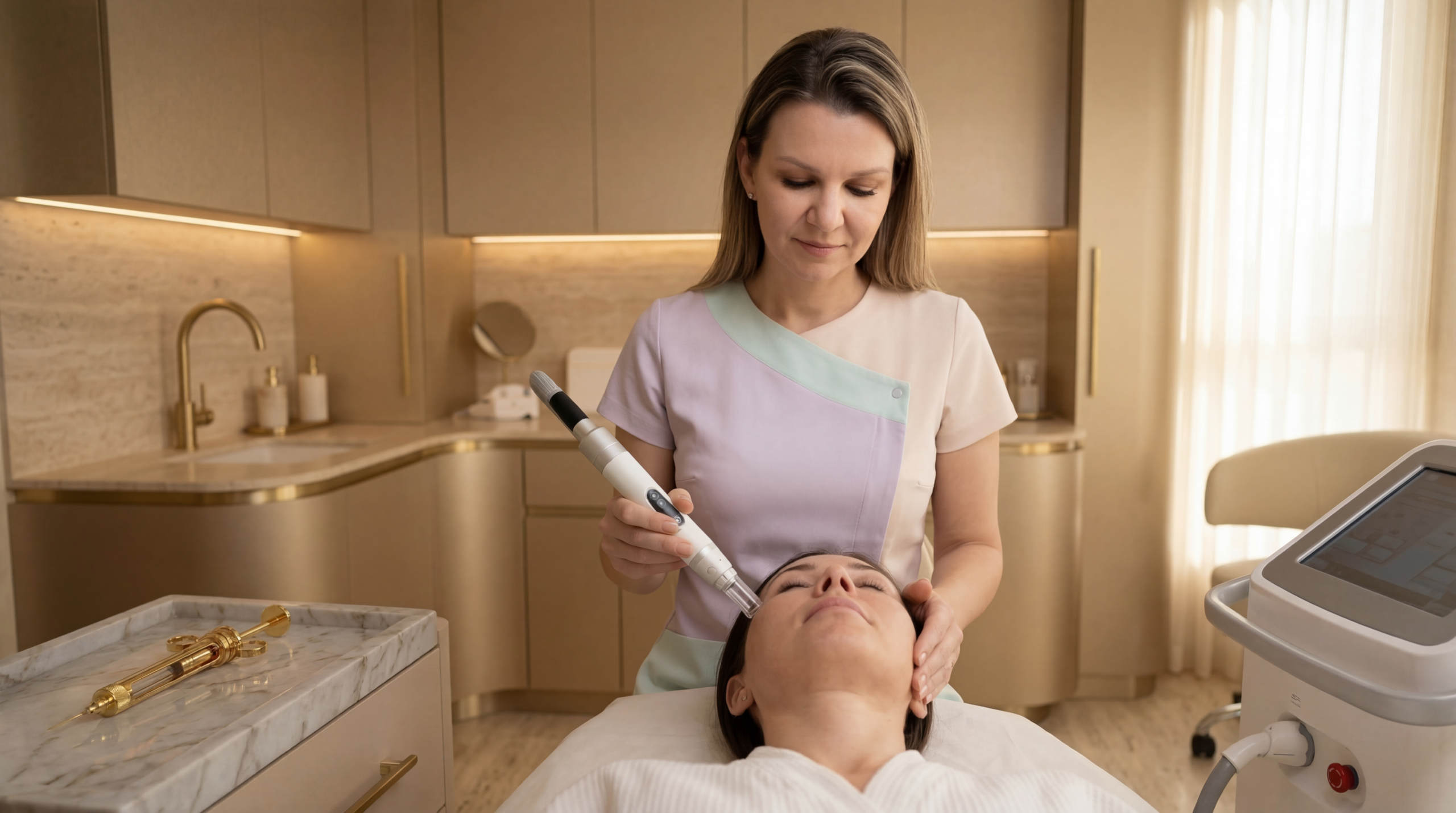
Key Treatment Areas for Prejuvenation
Not every area of the face requires preventative treatment, and the approach must be highly individualized. However, there are specific zones where early intervention yields the most significant long-term benefits. The goal in these areas is ‘undetectable enhancement’—results that make you look rested and refreshed, not ‘done.’
**The Mid-Face and Cheeks:**
The mid-face is often the first area to experience volume loss, even in active, healthy individuals. Loss of volume here removes support for the lower face. A conservative amount of filler in the cheeks restores the ‘triangle of youth’ and lifts the weight off the lower face, preventing the formation of deep nasolabial folds. This is often the cornerstone of a prejuvenation treatment plan.
**Under-Eyes (Tear Troughs):**
Many younger patients struggle with dark circles or hollowness under the eyes due to genetics rather than age. However, ignoring this can lead to etched-in wrinkles and thinning skin in this delicate area. Addressing tear troughs early with a light, specialized filler can brighten the face and reduce the need for heavy concealers, which can settle into fine lines and accentuate aging.
**The Lips and Perioral Area:**
Lip filler is often associated with volume, but for prejuvenation, the goal is hydration and structure. As we age, the lips thin and the border becomes less defined, leading to ‘lipstick bleeding’ lines. Micro-droplet injections can maintain the crispness of the vermilion border and keep the lips hydrated and plump without creating an unnatural size.
**Chin and Jawline:**
A defined jawline is a hallmark of youth. As discussed, bone resorption causes the chin to recede and the jaw angle to soften. careful reinforcement of these bony landmarks keeps the lower face tight and defined. If you are unsure which areas might benefit you, schedule an appointment with a board-certified physician to map out your unique aging trajectory.
- Mid-face support prevents lower face sagging.
- Tear trough correction addresses genetic hollowness.
- Lip maintenance focuses on hydration and border definition.
- Jawline reinforcement combats early jowl formation.
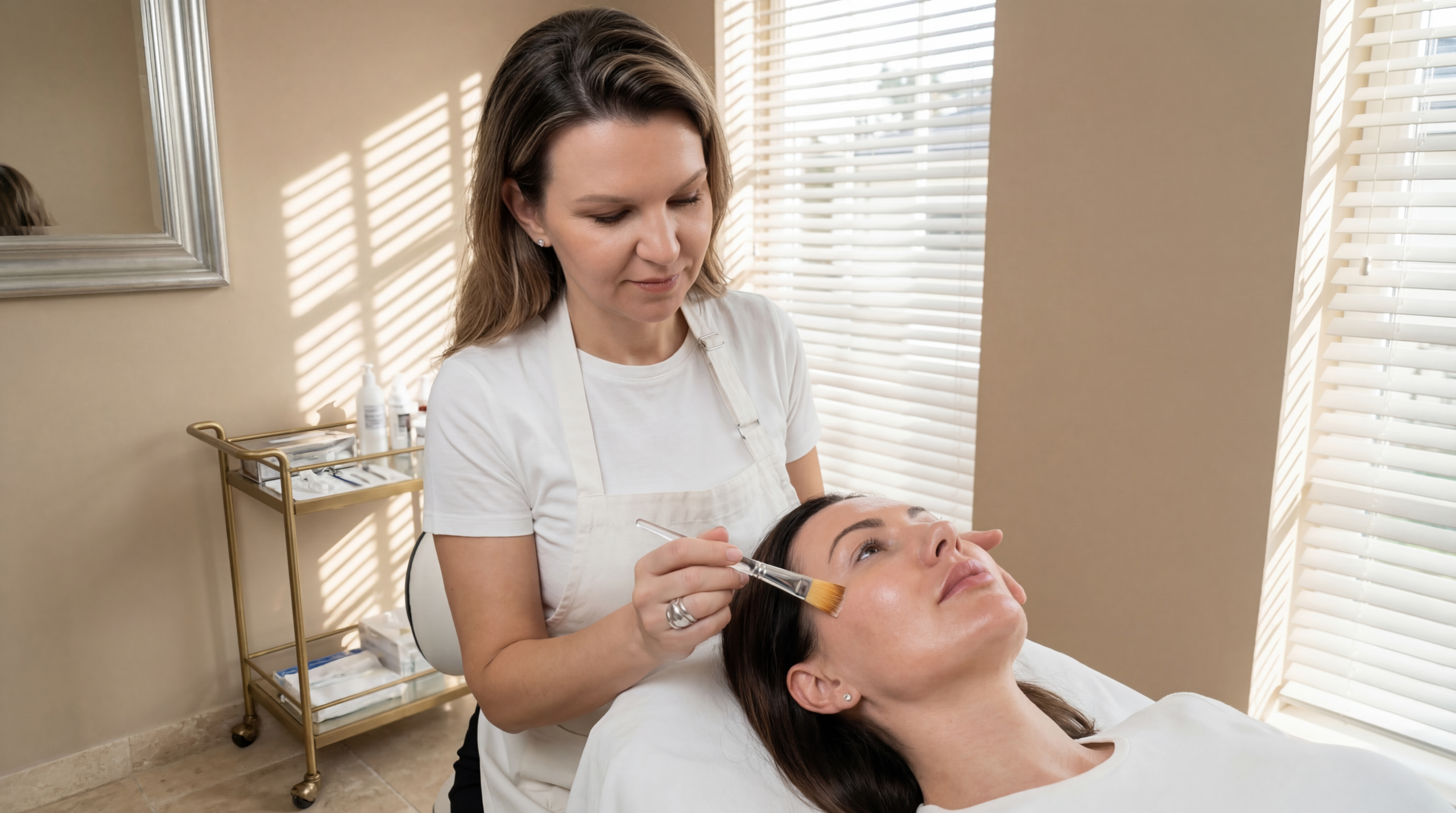
Risks, Safety, and Avoiding the ‘Overfilled’ Look
With the rise of social media trends, there is a valid concern about ‘filler fatigue’ and the ‘pillow face’ phenomenon. Prejuvenation carries the risk of doing too much, too soon, if not guided by a medical expert. Overfilling a young face can distort natural anatomy and actually age a patient by making them look puffy or plastic. This is why it is critical to view fillers as a medical procedure, not a beauty treatment to be shopped for based on price.
One potential risk is filler migration, where the product moves from the intended area. This often happens when too much product is placed or when the wrong type of filler is used for a specific area. In a preventative approach, the practice uses conservative amounts—often starting with just one syringe or less for multiple areas. The philosophy is ‘less is more.’ It is always possible to add more later, but dissolving filler (using an enzyme called hyaluronidase) should be a safety net, not a routine part of the maintenance plan.
Choosing the right provider is the single most important factor in safety. A board-certified physician understands the complex 3D anatomy of the face, including the location of nerves and blood vessels. They know which plane of tissue—bone, fat, or dermis—requires support. Safety in aesthetic medicine is paramount, and outcomes are heavily operator-dependent. When considering Dr. V or any healthcare provider, ensure they prioritize anatomical safety and hold a conservative aesthetic philosophy.
The Importance of Board Certification
Medical aesthetics is unregulated in some aspects, allowing various practitioners to inject. However, a board-certified internist or specialist has extensive training in systemic health, anatomy, and managing complications. Trusting your face to a highly trained physician ensures that your long-term health is never compromised for short-term vanity.
Is Prejuvenation Right for You?
Prejuvenation is not a one-size-fits-all prescription. Starting preventative dermal fillers is a personal decision that should be based on clinical signs of aging, not just chronological age. Some patients in their 20s have robust bone structure and thick skin and may not need fillers until their 30s. Others may show signs of volume loss or genetic structural weakness in their early 20s.
Ideal candidates for preventative fillers are those who are beginning to notice the first signs of volume loss—perhaps you look tired even when you are rested, or you notice a shadow forming around your mouth that wasn’t there a year ago. It is also suitable for those who wish to correct asymmetry or enhance features like the chin to improve facial balance.
However, fillers are just one piece of the puzzle. True anti-aging is holistic. It involves daily SPF usage, using high-quality retinoids, managing stress, eating a nutrient-rich diet, and staying hydrated. If you are smoking or frequently tanning, fillers will have a negligible effect compared to the damage those habits cause.
Before deciding, have a comprehensive consultation. A qualified physician will assess your skin quality, bone structure, and medical history to determine if you are ready for injectables or if other modalities might be better suited for you. To learn more about this approach to skin health, visit our blog for educational resources.
- Base decisions on clinical signs, not just age.
- Ideal for correcting early fatigue signs or asymmetry.
- Must be combined with SPF, skincare, and healthy lifestyle.
- Consultation is required to determine candidacy.

Prejuvenation represents a modern, intelligent approach to aging. By utilizing preventative dermal fillers in your late 20s or early 30s, you can maintain your natural facial structure, delay the formation of deep wrinkles, and avoid the need for drastic correction later in life. The goal is not perfection, but preservation.
Your face is your identity, and it deserves expert care. Approaching aesthetics with a preventative mindset allows you to age on your own terms, keeping your skin looking as vibrant and energetic as you feel.
Frequently Asked Questions
What is the best age to start preventative fillers?
There is no specific ‘magic age,’ as everyone ages differently based on genetics and lifestyle. However, most patients begin preventative treatments in their mid-to-late 20s or early 30s, when collagen production begins to decline and the first signs of volume loss appear.
Will starting fillers early stretch out my skin?
This is a common myth. When administered correctly by a qualified physician, fillers do not stretch the skin. In fact, by replacing lost volume, they support the skin and prevent it from sagging. Issues with stretching only occur when excessive amounts of filler are used, resulting in over-expansion.
How often do I need to get preventative fillers?
Preventative maintenance usually requires less frequent visits than corrective work. Depending on the type of filler used and the area treated, results can last anywhere from 9 to 24 months. Many patients find that once they achieve their baseline correction, they only need small ‘touch-ups’ once a year.
Can I stop getting fillers once I start?
Absolutely. Hyaluronic acid fillers are temporary. If you decide to stop treatments, your body will naturally metabolize the filler over time, and your face will gradually return to its pre-treatment state. You will not suddenly age overnight, but the natural aging process will resume from that point.
Is there a difference between Botox and fillers for prevention?
Yes. Neurotoxins (like Botox) relax muscles to prevent dynamic wrinkles (lines caused by movement, like frowning). Dermal fillers restore lost volume and provide structural support. Often, a combination of both is used in a comprehensive prejuvenation plan.