PRP Therapy: What to Expect and Who Is a Good Candidate
A Natural Path to Skin and Hair Rejuvenation
Hair thinning and early signs of aging skin can impact confidence in profound ways. Many patients visiting our Sugar Land clinic seek solutions that harness the body’s natural healing abilities rather than relying solely on synthetic compounds. This interest has brought Platelet-Rich Plasma, or PRP Therapy, into the spotlight as one of the most promising regenerative treatments in medical aesthetics.
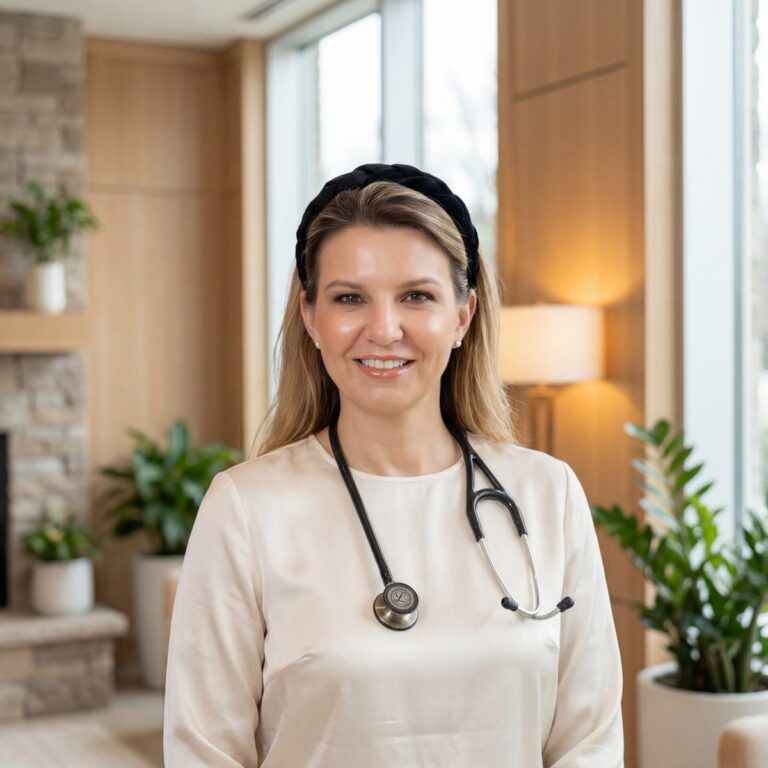
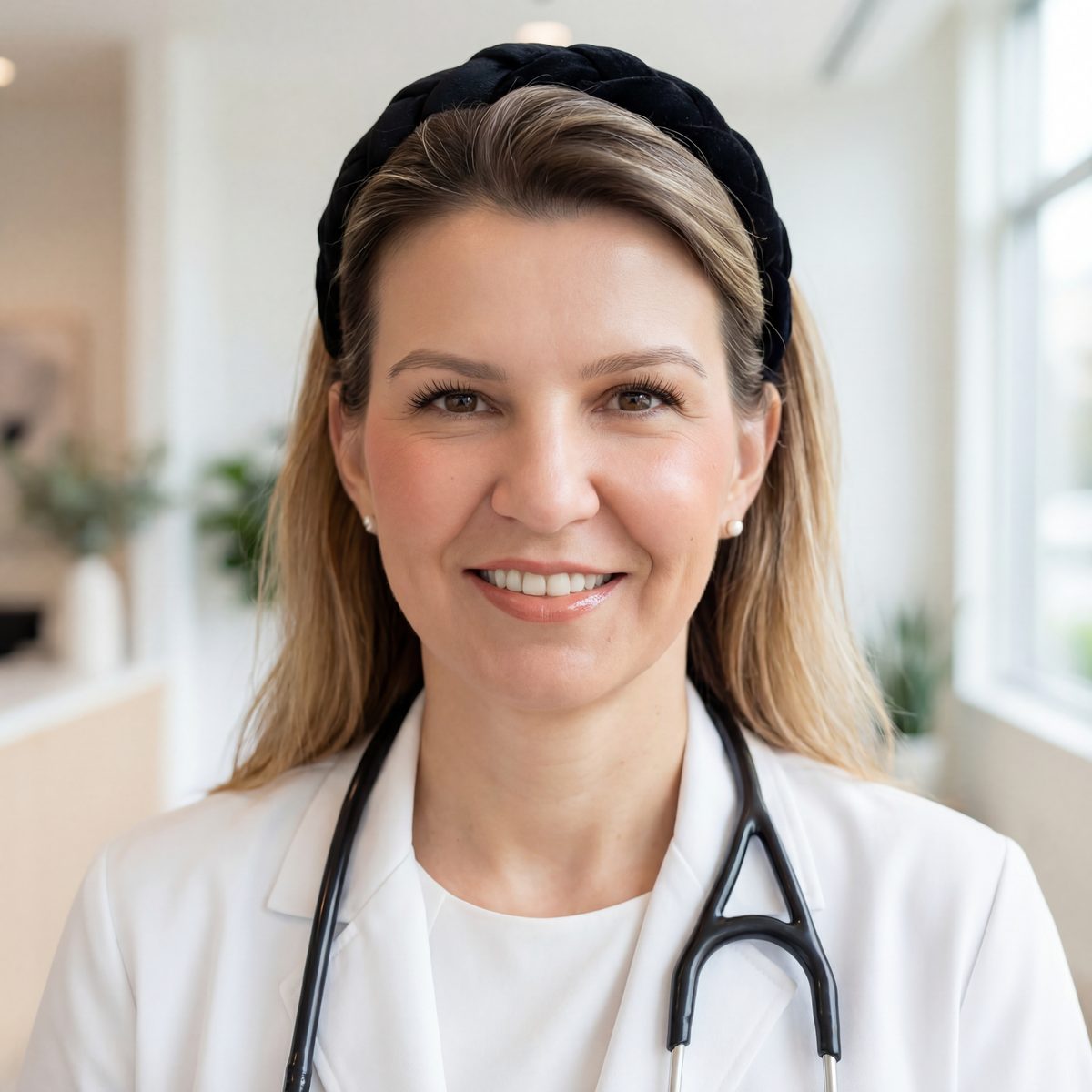
At Kelsey-Seybold Clinic, Dr. Vuslat Muslu Erdem (Dr. V) approaches these treatments with a focus on safety, biological compatibility, and realistic outcomes. PRP is not magic — it is biology at its finest. By concentrating the healing power found in your own blood, we can stimulate collagen production, improve skin texture, and wake up dormant hair follicles. This guide will walk you through the science behind the treatment, the patient experience from start to finish, and how to determine whether you are the right candidate.
The Science Behind PRP: What Is Platelet-Rich Plasma?
Your blood is made of liquid plasma and solid components: red blood cells, white blood cells, and platelets. While platelets are best known for their role in blood clotting, they serve a much more complex function in tissue repair. Platelets are reservoirs of growth factors — proteins that signal the body to generate new blood vessels, synthesize collagen, and repair damaged tissue.
During PRP preparation, blood drawn from the patient is placed in a centrifuge and spun at high speed. This separates the components into distinct layers: red blood cells at the bottom, plasma at the top, and a concentrated platelet layer (the “buffy coat”) in between. This platelet-rich layer is extracted along with a small quantity of plasma, creating a golden-hued serum where the healing growth factors reside.
Because PRP is autologous — derived entirely from your own blood — it is exceptionally well-tolerated with virtually no risk of allergic reaction or rejection. The FDA classifies PRP as a biologic product and provides oversight through its Center for Biologics Evaluation and Research, including parameters for preparation such as centrifugation time and storage temperatures.
One detail worth understanding: normal platelet counts range from 150,000 to 450,000 per microliter. This means some PRP samples naturally contain more growth factors than others, which partly explains the variability in results across different patients and providers. This variability underscores the importance of seeking treatment from a medical professional who understands the underlying physiology.
Top Aesthetic Applications for PRP
While PRP originated in orthopedic medicine for healing injured tendons and ligaments, its tissue-regenerating properties made it a natural fit for aesthetic medicine. Dr. V utilizes PRP primarily for two major concerns: skin rejuvenation and hair restoration.
Facial Rejuvenation and Skin Texture
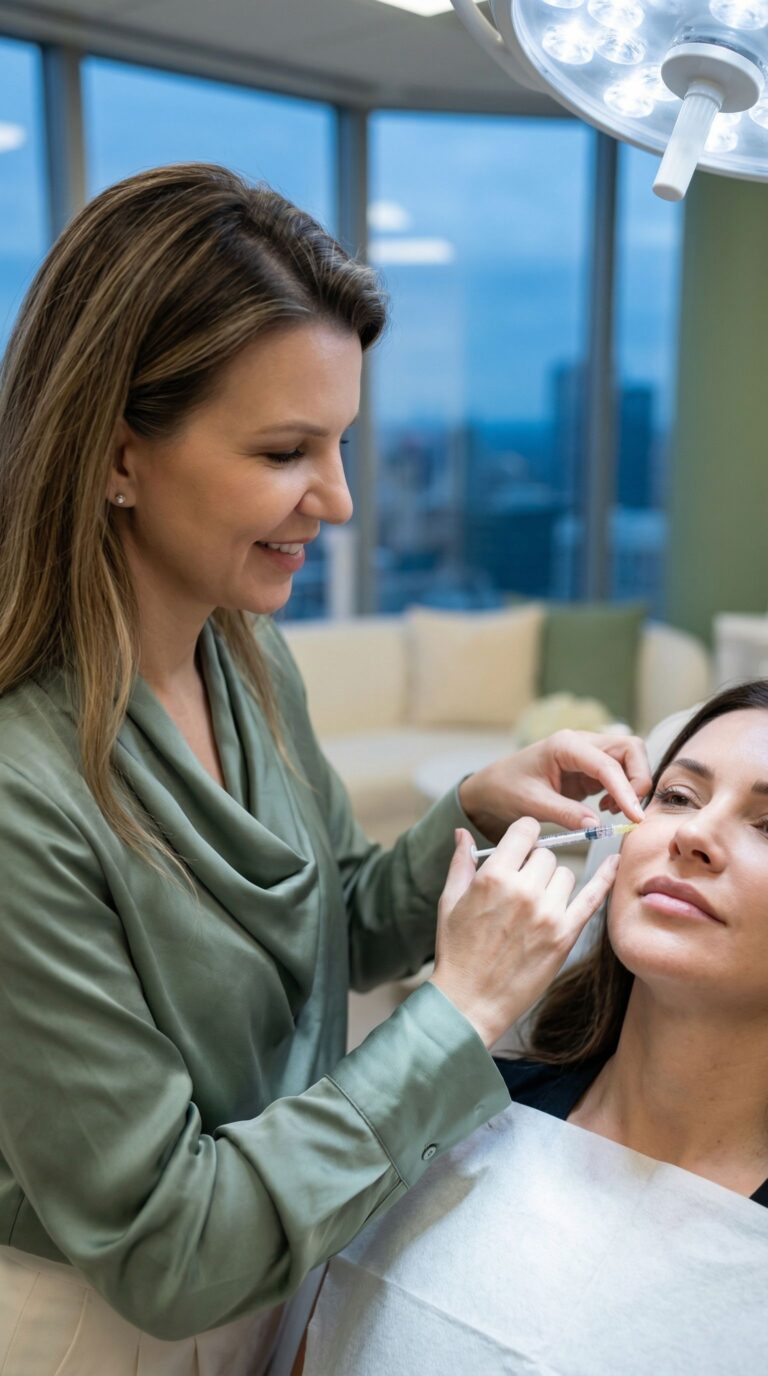
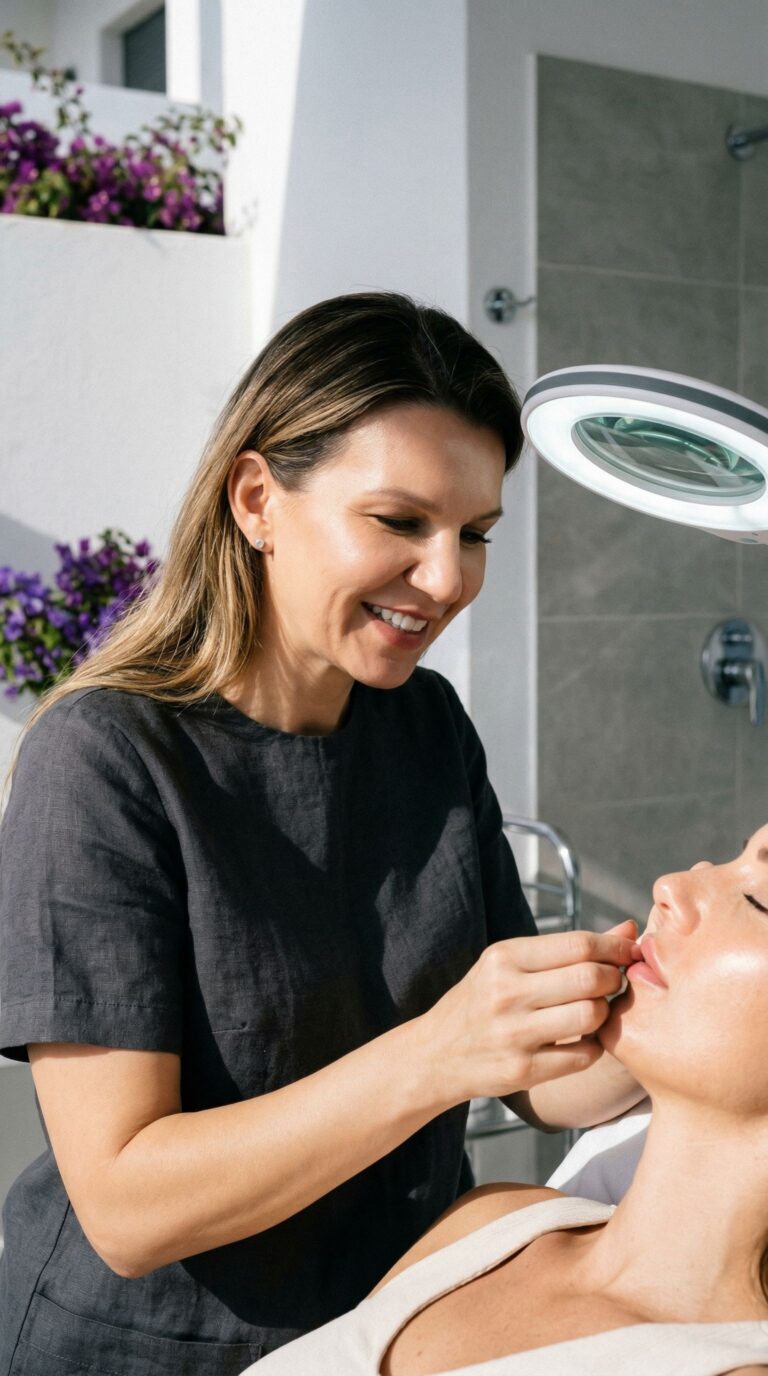
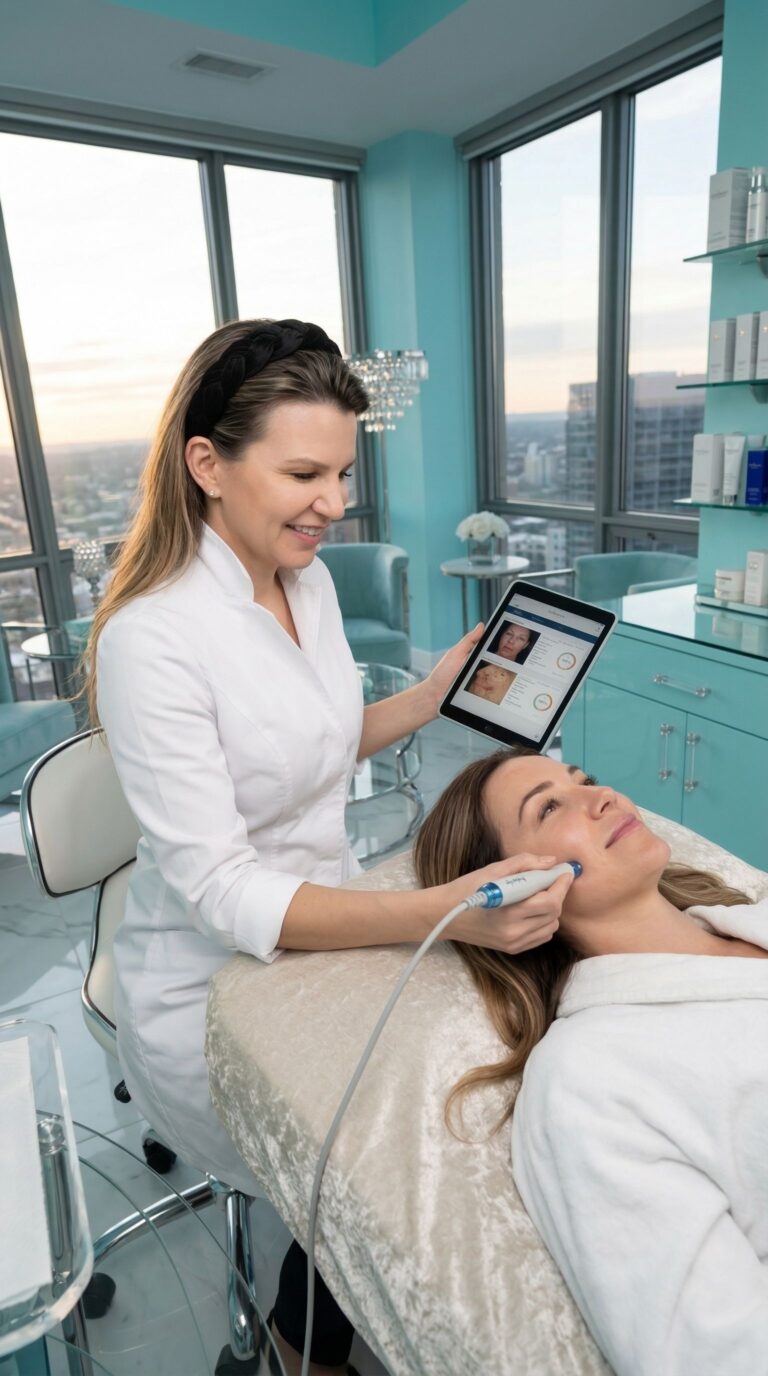
You may have heard this referred to as the “Vampire Facial.” When used for skin health, PRP is either injected directly into lines and folds or applied topically during a microneedling session. The growth factors stimulate fibroblasts — the cells responsible for producing collagen. Over time, this helps to:
- Smooth fine lines and wrinkles, particularly around the eyes and mouth
- Improve overall skin texture and tone
- Diminish the appearance of acne scars
- Reduce crepiness in delicate skin of the neck and decolletage
Because the treatment rebuilds the skin’s underlying structure, results look remarkably natural. You do not look “done” — you simply look rested and radiant.
Hair Restoration
Hair loss can be emotionally challenging for both men and women. PRP has emerged as a powerful non-surgical option for treating androgenic alopecia (pattern baldness) and general hair thinning. When injected into the scalp, the growth factors work through several mechanisms:
- Reviving dormant follicles: Growth factors help reactivate hair follicles that have miniaturized and are producing thinner, weaker hairs
- Improving blood supply: The injections enhance microcirculation, delivering more oxygen and nutrients to follicles
- Prolonging the growth phase: PRP extends the anagen (active growth) phase of the hair cycle, leading to thicker, fuller hair over time
PRP works best for hair follicles that are still present but inactive. It cannot regenerate hair on a completely bald scalp where follicles are no longer viable, which is why early intervention is key.
PRP vs. PRF: A Brief Distinction
PRP and PRF (Platelet-Rich Fibrin) are both derived from the patient’s blood, but they differ in preparation. PRF does not use an anticoagulant, allowing a fibrin network to form naturally. This creates a slower, more sustained release of growth factors. For some patients, this prolonged delivery may offer advantages, but both remain valuable tools in regenerative medicine.
The Procedure: Step by Step
Understanding the workflow helps alleviate anxiety. The process is straightforward and minimally invasive.
1. Consultation: Dr. V evaluates your hair loss pattern or skin concerns, reviews your medical history, and determines whether PRP is the right approach or if other interventions are more appropriate.
2. Preparation Begins at Home: We recommend staying well-hydrated for 24 hours before your appointment. Hydrated veins make the blood draw easier and can improve plasma yield. You should also avoid anti-inflammatory medications (like ibuprofen or aspirin) for at least one week prior, as these can inhibit the platelet function we are trying to activate.
3. Blood Draw: A small sample of blood (usually 10 to 20 mL, similar to a standard lab test) is drawn from your arm. This is generally the only part that involves a “pinch.”
4. Centrifugation: The blood is placed in a specialized centrifuge that spins at high speed for 10 to 15 minutes, separating the components and isolating the platelet-rich plasma.
5. Treatment: While the blood is processing, a topical anesthetic is applied to the treatment area. Once the PRP is prepared and the skin is numb, Dr. V administers the injections. For facial rejuvenation, this may be done via direct injection or in conjunction with microneedling. For hair restoration, the PRP is injected at the level of the hair follicles in a specific pattern across thinning areas.
The entire appointment typically takes about one hour.
Recovery and Downtime
One of the greatest advantages of PRP is the minimal downtime compared to surgical alternatives.
For Skin Treatments:
You may look like you have a mild to moderate sunburn immediately after the procedure. Redness, slight swelling, and a feeling of tightness are normal and usually subside within 24 to 48 hours. Avoid wearing makeup for at least 24 hours, use gentle non-acidic cleansers, and stay out of direct sunlight.
For Hair Treatments:
Your scalp may feel tender or tight for a day or two. Some patients experience a mild headache, which can be managed with acetaminophen. Avoid washing your hair for the first 24 hours to allow the growth factors to settle into the tissue.
Tips for a Smooth Recovery
- Follow all post-procedure instructions regarding washing and product use
- Avoid strenuous exercise for 24 to 48 hours to prevent increased blood flow that could worsen swelling
- Stay hydrated to support cellular function and healing
- Apply ice packs gently if swelling occurs
- Watch for any unusual signs and report them to your provider immediately
- Use daily broad-spectrum sunscreen (SPF 30+) on treated areas
When Will You See Results?
Patience is essential with regenerative medicine. Because PRP works by stimulating your body’s own cellular processes, results build gradually.
- Skin: You may notice a “glow” within a few days, but significant collagen remodeling takes time. Improvements in texture and fine line depth typically become visible after 3 to 4 weeks and continue improving for months.
- Hair: A decrease in shedding is often the first positive sign, usually appearing after the second or third treatment. Visible regrowth and thickening typically emerge around the 3 to 6-month mark.
Most patients require a series of 3 to 4 treatments spaced about 4 weeks apart for optimal results, followed by maintenance sessions once or twice a year.
Who Is a Good Candidate?
Determining candidacy requires a medical evaluation. The ideal candidate generally falls into one of these profiles:
- For hair restoration: Individuals in the early to moderate stages of hair thinning, particularly those with androgenic alopecia. Men and women alike can benefit.
- For skin rejuvenation: Those seeking to improve skin texture, mild to moderate wrinkles, acne scarring, or overall tone and radiance.
- General health: Good overall health, no diagnosed platelet or clotting disorders, and no active infections in the treatment area.
Who Should Avoid PRP?
Certain conditions reduce the treatment’s effectiveness or pose risks:
- Low platelet count (thrombocytopenia): Without adequate platelets, the treatment will not produce meaningful results
- Active infections or cancers in the treatment area
- Chronic liver disease or conditions that affect blood quality
- Heavy smoking: Smoking impairs healing and constricts blood vessels, counteracting PRP benefits
- Blood thinner use: Patients on anticoagulants may experience excessive bruising
Dr. V emphasizes the importance of a holistic health review before proceeding. As an Internal Medicine physician, she evaluates the full picture — ensuring that underlying issues such as thyroid dysfunction, nutritional deficiencies, or hormonal imbalances are addressed alongside aesthetic treatments. This comprehensive approach distinguishes a physician-led medical spa from non-medical facilities.
Making an Informed Decision
Regenerating your appearance does not always require synthetic fillers or surgery. By harnessing the healing power within your own blood, PRP offers a safe, effective path to smoother skin and thicker hair. The key lies in proper patient selection, expert preparation, and skilled administration.
If you are struggling with hair thinning or wish to explore skin rejuvenation options that work in harmony with your body’s biology, we invite you to schedule a consultation. Dr. V and the team at Kelsey-Seybold Clinic will guide you through every step — from the initial evaluation to the final follow-up — ensuring your aesthetic goals align with your broader health profile.
—
Medical Disclaimer: This article is for informational purposes only and does not constitute medical advice. Always consult with a qualified healthcare provider for personalized medical guidance. To schedule an appointment with Dr. Vuslat Muslu Erdem, call (713) 442-9100.