Botox vs Fillers: Which Treatment Is Right for You?
Two Treatments, Two Different Jobs
If you are exploring non-surgical ways to refresh your appearance, you have likely encountered the two heavyweights of cosmetic injectables: neuromodulators (commonly known by the brand name Botox) and dermal fillers. Both treatments are popular and effective at turning back the clock, yet they function through fundamentally different biological mechanisms.
A common misconception among patients visiting our Sugar Land clinic is that these products are interchangeable. Understanding the distinction between Botox vs fillers is the first step toward achieving the natural, youthful look you desire. Below, we break down the science, the ideal treatment areas, and how to decide which path is right for your unique facial anatomy.
The Core Difference: Dynamic vs. Static Wrinkles
To understand which injectable you need, you first need to understand how different wrinkles form. In aesthetic medicine, we generally categorize facial lines into two types.
Dynamic wrinkles are caused by muscle movement. Every time you smile, frown, squint, or raise your eyebrows, the underlying muscles contract and fold the skin. Over time, these repeated movements etch lines into the face that deepen with age.
Static wrinkles are visible even when your face is completely at rest. They result from the natural loss of collagen, elastin, and hyaluronic acid as we age, compounded by gravity and sun damage. This loss of structural support causes the skin to sag, hollow, and fold.
This distinction is the key to the Botox vs fillers question:
- Botox relaxes muscles to treat dynamic wrinkles
- Fillers replace lost volume to treat static wrinkles and folds
How Neuromodulators Work
Botox is a brand name for a purified form of botulinum toxin type A. It belongs to a class of medications called neuromodulators, which also includes Dysport, Xeomin, and Jeuveau. When injected in small, controlled doses, these substances temporarily block the nerve signals that tell specific facial muscles to contract. With the muscle relaxed, the overlying skin smooths out, softening existing wrinkles and preventing new ones from deepening.
The beauty of neuromodulators lies in their subtlety when administered correctly. The goal is never to freeze the face — rather, to reduce the intensity of muscle contractions enough to prevent deep folding while preserving natural expression.
Best Treatment Areas for Botox
Because it targets muscle movement, Botox is most effective in the upper third of the face where expressions are most active:
- Glabellar lines: The vertical “11s” or frown lines between the eyebrows
- Forehead lines: Horizontal creases that appear when you raise your eyebrows
- Crow’s feet: Fine lines radiating from the corners of the eyes
- Bunny lines: Small crinkles on the bridge of the nose
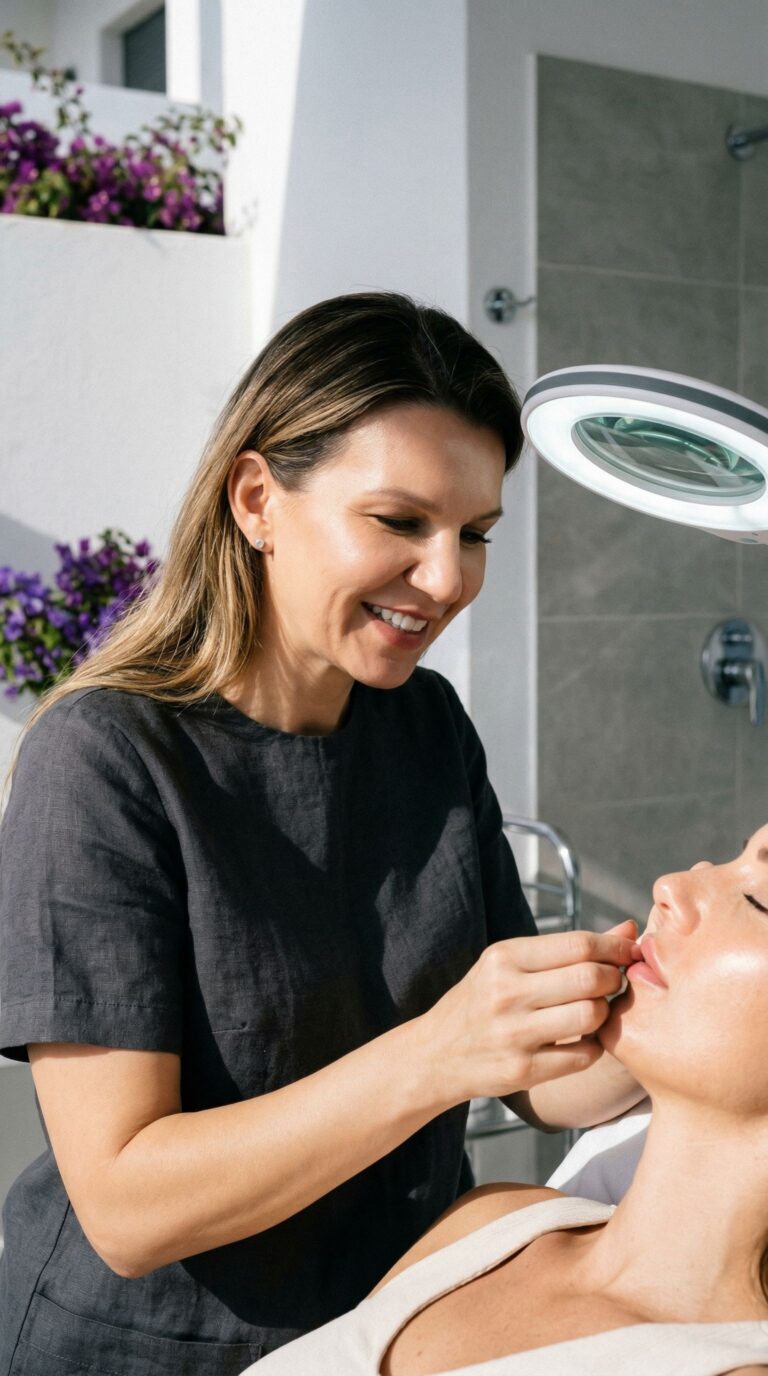
- Lip flip: A subtle relaxation of the upper lip muscle to create a fuller appearance without filler
Results typically appear within 3 to 14 days and last approximately 3 to 4 months. Consistent maintenance treatments can sometimes train muscles to contract less vigorously, potentially extending the intervals between sessions.
How Dermal Fillers Work
While Botox addresses muscle movement, dermal fillers tackle the structural changes of aging. As we age, our faces naturally lose subcutaneous fat and bone density. Fat pads shift downward, cheeks flatten, lips thin, and the skin sags around the jawline.
Most modern dermal fillers (such as Juvederm and Restylane) are made of hyaluronic acid (HA), a naturally occurring substance in the body that attracts and holds moisture. When injected, these gel-like substances physically fill the space beneath the skin, pushing it back up to smooth deep folds and restore youthful contours. Because HA is native to our biology, these fillers are generally safe, reversible, and integrate smoothly with tissue.
Modern fillers come in varying viscosities to match the demands of different facial areas. Thinner gels work well for delicate zones like the under-eyes or fine lip lines, while thicker, more robust formulations provide structural support for the cheeks, chin, and jawline. RHA (Resilient Hyaluronic Acid) fillers are engineered to move naturally with the face, making them excellent for high-mobility areas.
Best Treatment Areas for Fillers
Dermal fillers are best suited for the mid-to-lower face and areas where volume is needed:
- Cheeks: Restoring mid-face volume to lift sagging skin and create defined cheekbones
- Nasolabial folds: Softening the “smile lines” from nose to mouth corners
- Marionette lines: Reducing lines from mouth corners down to the chin
- Lips: Adding volume and definition to thin or asymmetrical lips
- Jawline and chin: Sculpting a sharper profile and correcting recession
- Under-eyes: Filling tear troughs to reduce the “tired” look
Results from fillers are visible immediately, though initial swelling may temporarily mask the final outcome. Depending on the product and area treated, fillers last anywhere from 6 to 18 months, with some formulations lasting up to two years.
Comparing Results and Timelines
Onset of Action
- Botox: Gradual onset. You will not leave the clinic looking different. Full effects develop over 1 to 2 weeks as the neuromodulator takes hold.
- Fillers: Immediate gratification. Volume restoration is visible right after injection, with the final result settling in after about two weeks once swelling subsides.
Duration of Results
- Botox: Typically lasts 3 to 4 months, requiring 3 to 4 visits per year to maintain a smooth appearance.
- Fillers: Greater longevity, usually 6 to 12 months for lips and up to 2 years for cheeks and chin. The body gradually absorbs the material, so results fade over time rather than disappearing abruptly.
Sensation and Downtime
Both treatments involve fine needles, and the sensation is generally described as a quick pinch. Topical numbing cream is applied for comfort, and many fillers contain lidocaine within the gel itself. Side effects for both are usually mild — temporary redness, swelling, or bruising at the injection site that resolves within a few days.
How to Decide: A Self-Assessment Guide
Choose Botox if:
- Your primary concern is lines on your forehead or around your eyes
- Wrinkles are most prominent when you make facial expressions
- You want to look more rested and approachable
- You are interested in preventative “Baby Botox” to stop lines from etching deeper in your 20s or 30s
Choose Fillers if:
- Your face looks tired or saggy even when you are well-rested
- You have deep lines around your mouth that are visible at rest
- You want to enhance your lips or define your cheekbones
- You want to improve the appearance of hollowed under-eyes or recessed scars
The Combination Approach: The Liquid Facelift
For many patients, the answer to “Botox or fillers?” is actually “both.” Because they address different types of aging — muscle movement and volume loss — they are highly complementary.
Dr. V might use Botox to smooth the forehead and open up the eyes while simultaneously using filler to lift the cheeks and soften lines around the mouth. This holistic approach ensures the face ages evenly. Treating only the upper face while leaving deep folds in the lower face can look unbalanced. The combination allows each product to perform the task it is best designed for, using smaller amounts of each to avoid the “overdone” look.
What to Expect During Your Appointment
The Consultation
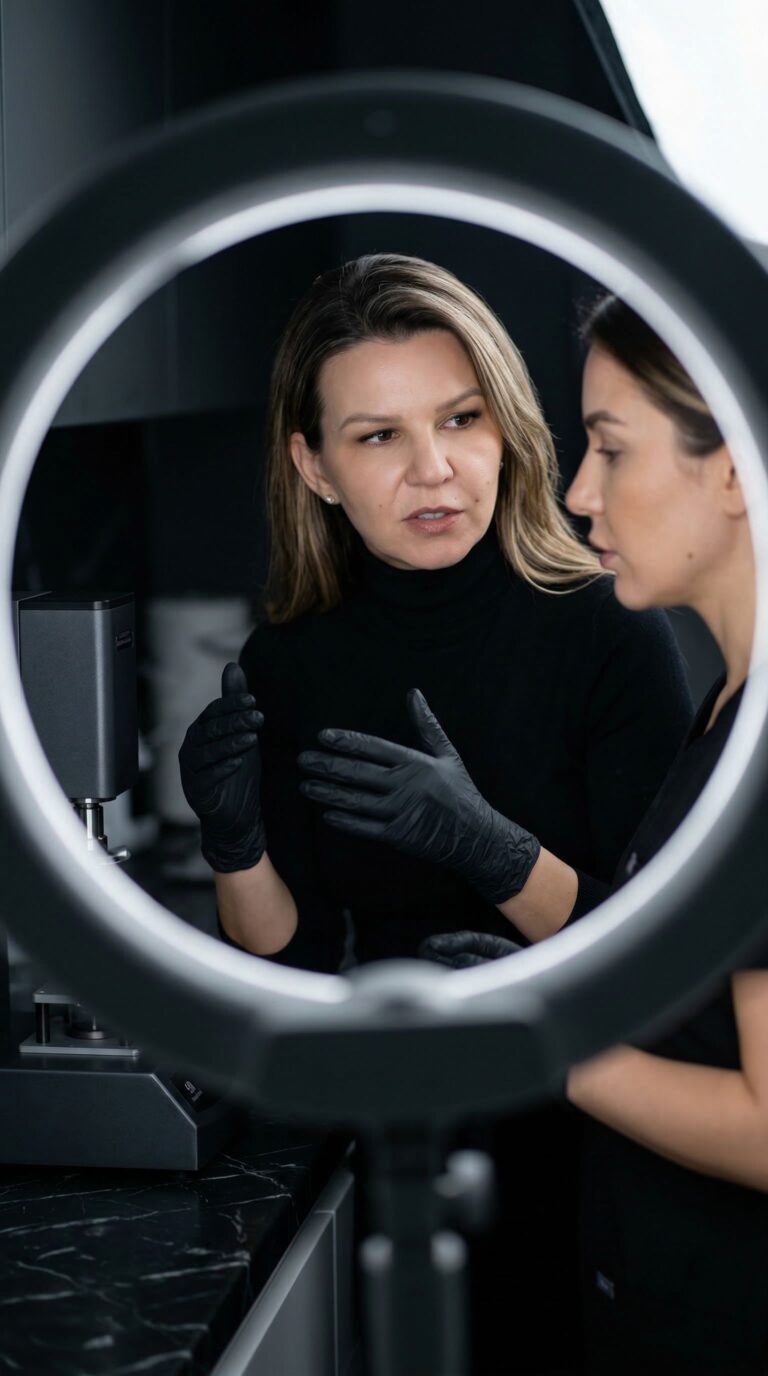
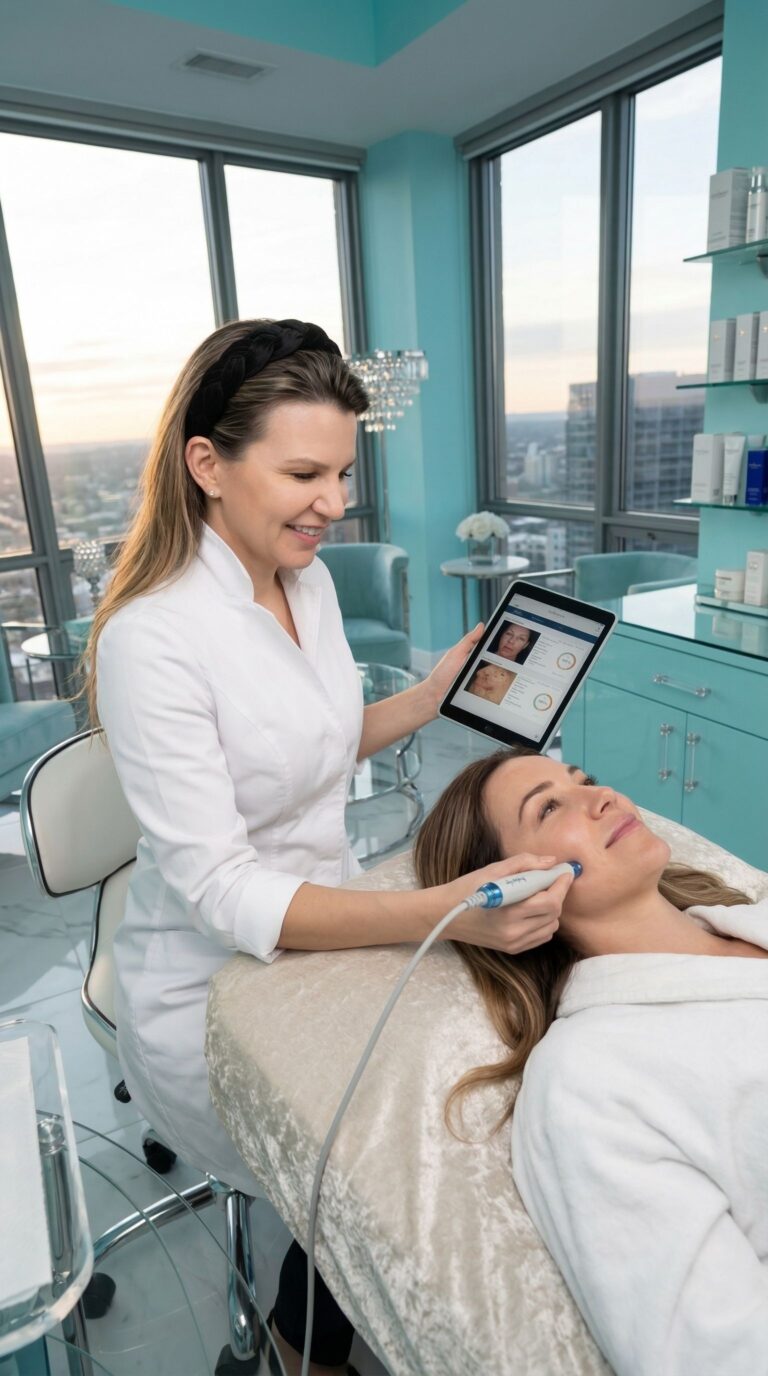
Every treatment starts with a conversation. Dr. Vuslat Muslu Erdem will review your medical history, discuss your aesthetic goals, and examine your skin quality and muscle dynamics. She evaluates your facial structure both at rest and in motion to determine whether muscle relaxation, volume replacement, or a combination of both will best serve your goals. This is also the time to discuss your budget and develop a long-term maintenance plan.
The Procedure
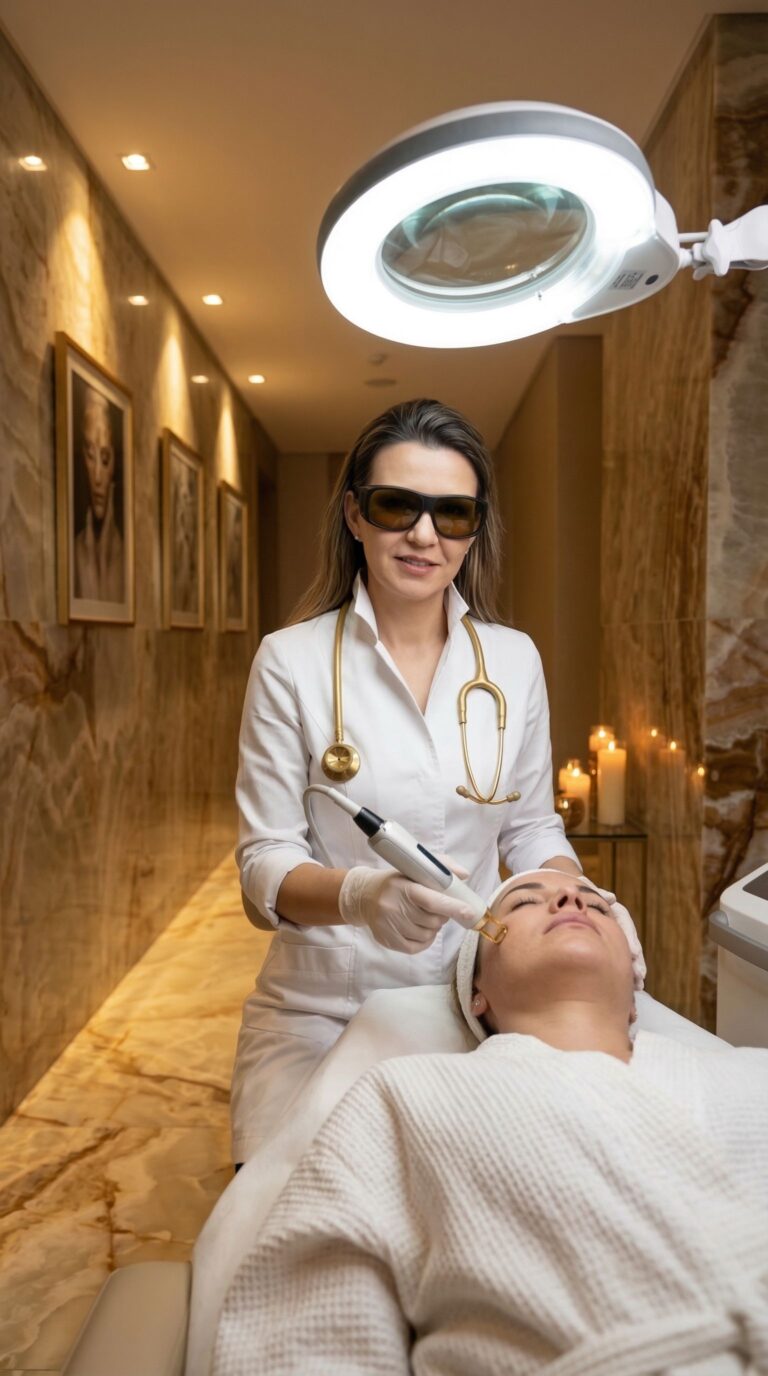
The injection process is quick, typically 15 to 30 minutes. For Botox, you will be asked to make facial expressions so the provider can mark precise muscle locations. For fillers, the skin is cleaned and the gel is injected at strategic depths using fine needles or cannulas.
Aftercare
You can generally return to daily activities immediately, but follow these guidelines for the best results:
- Avoid rubbing or massaging the treated areas for 4 to 6 hours to prevent product migration
- Stay upright for at least 4 hours after Botox
- Skip strenuous exercise for 24 hours to minimize bruising and swelling
- Avoid excessive heat (saunas, hot tubs) for a day or two
- Apply arnica or cold compresses if bruising occurs
Why Injector Expertise Matters
While these treatments are non-surgical, they are still medical procedures. The skill of your injector is just as important as the product being used. Incorrect Botox placement can lead to a drooping eyelid, and improper filler injection can cause lumps or, rarely, vascular complications. Choosing a board-certified physician who understands facial anatomy deeply ensures that you look like a refreshed version of yourself — not frozen or overfilled.
Dr. Vuslat Muslu Erdem brings the rigor of her Internal Medicine training to every aesthetic consultation. She considers not just your cosmetic goals, but how your medications, health conditions, and lifestyle factors may interact with treatment.
Take the Next Step
Whether you are looking to smooth early expression lines with neuromodulators or restore youthful contours with dermal fillers, understanding the Botox vs fillers difference empowers you to make the best choice for your face. You do not have to navigate these options alone.
Schedule a consultation with Dr. V at Kelsey-Seybold Clinic in Sugar Land. Together, we will evaluate your skin, discuss your goals, and build a personalized treatment plan that fits your lifestyle and delivers natural, beautiful results.
—
Medical Disclaimer: This article is for informational purposes only and does not constitute medical advice. Always consult with a qualified healthcare provider for personalized medical guidance. To schedule an appointment with Dr. Vuslat Muslu Erdem, call (713) 442-9100.