Medical Aesthetics vs Day Spa: Why the Difference Matters
Comfort vs. Clinical Change: A Choice That Matters
When you decide to invest in your skin, the options can feel overwhelming. You might drive past a dozen signs in Sugar Land advertising facials, lasers, and rejuvenation. On the surface, the terminology overlaps. Both types of facilities promise to make you look and feel better. But when we look closely at medical aesthetics vs day spa environments, we are comparing two entirely different approaches to skin health.
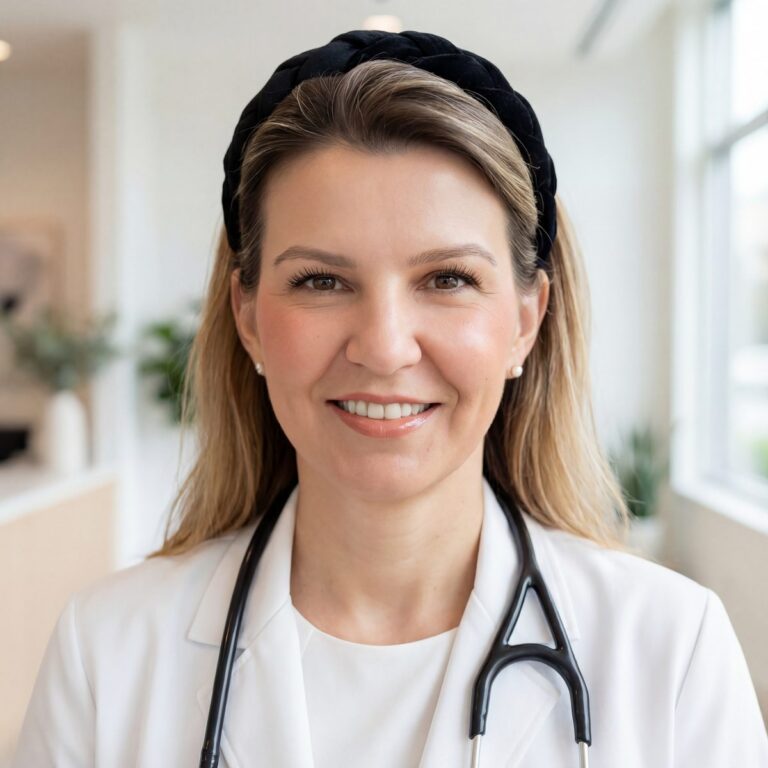
Choosing the wrong setting for your goals can lead to disappointment — spending money on surface-level treatments when you wanted structural change — or, more seriously, safety risks. As a board-certified Internal Medicine physician, Dr. Vuslat Muslu Erdem (Dr. V) approaches skin health through the lens of overall wellness. Your skin is your largest organ, reflecting internal health just as much as external care. When treatments penetrate the skin barrier or alter tissue structure, the setting matters profoundly.
Defining the Two Environments
The Day Spa: Relaxation and Maintenance
A traditional day spa is a sanctuary designed for sensory relaxation. When you walk in, you are greeted by the scent of eucalyptus, dim lighting, and soft music. The primary goal is pampering.
Day spas excel at stress reduction. Services such as Swedish massage, seaweed wraps, aromatherapy, and classic European facials are designed to soothe the nervous system and hydrate the outermost layer of the skin. The staff consists of licensed estheticians and massage therapists who specialize in non-invasive techniques for short-term wellness benefits.
These facilities are ideal for maintaining healthy skin that does not require corrective intervention. If your goal is stress relief, hydration, or a temporary glow before an event, a day spa provides a wonderful refuge. However, day spas do not perform medical procedures, use medical-grade technology, or employ staff trained to manage medical complications. They operate under cosmetology regulations rather than medical boards.
Medical Aesthetics: Clinical Expertise and Measurable Results
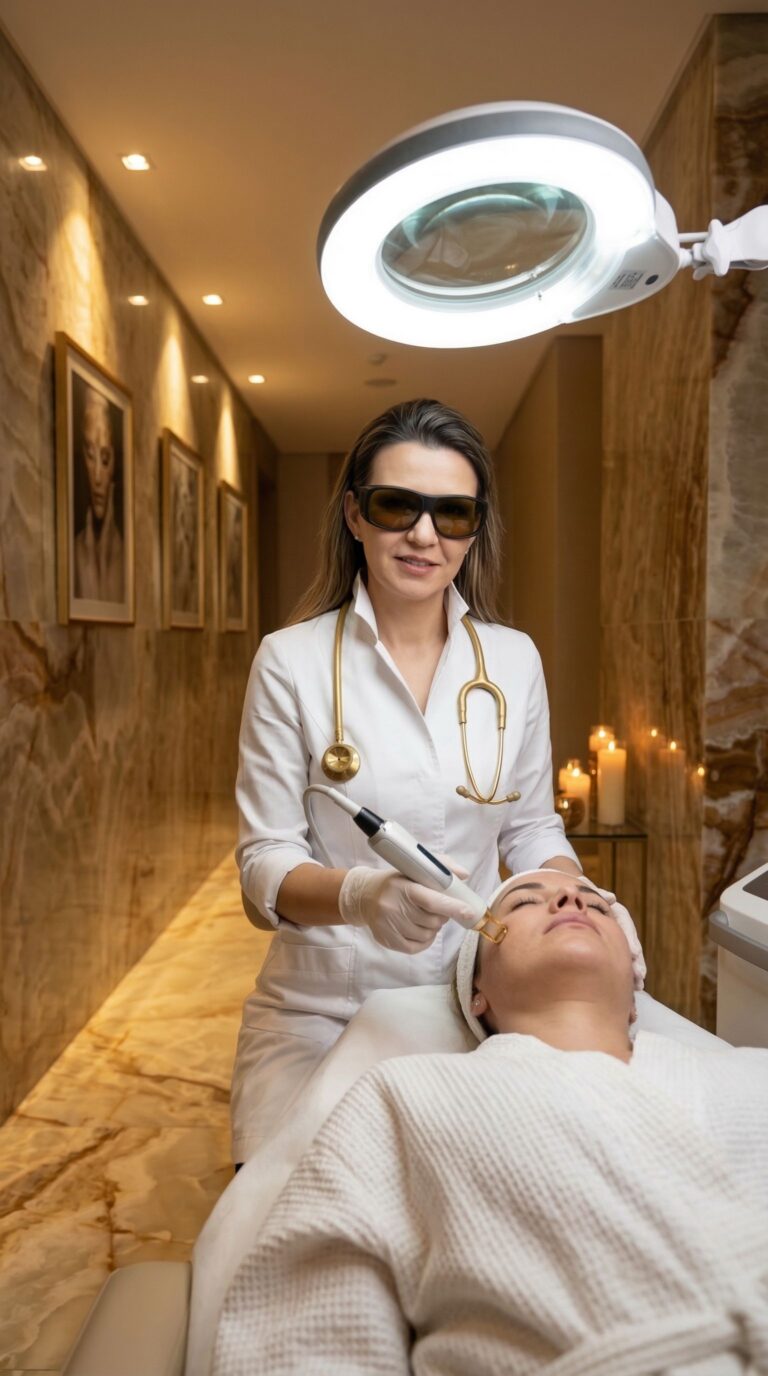
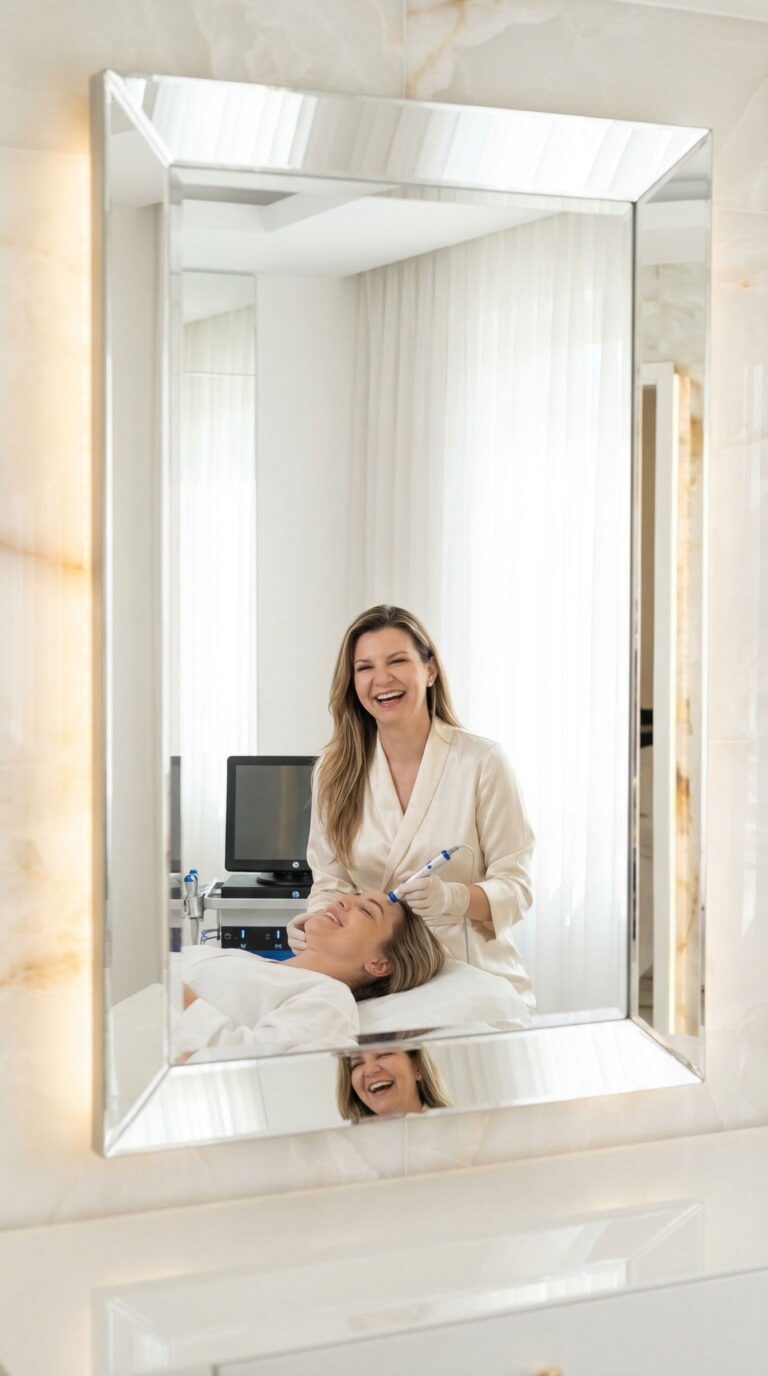
A medical spa sits at the intersection of luxury and clinical medicine. While we strive to maintain a comfortable, welcoming environment, the primary goal of medical aesthetics is correction and biological change.
In a medical setting, we are not just treating dead skin cells on the surface. We utilize technology and ingredients that penetrate the dermis to stimulate collagen, repair cellular damage, and alter the structure of the skin. A medical spa is always overseen by a licensed physician who directs clinical protocols, provider training, sterility standards, and complication management.
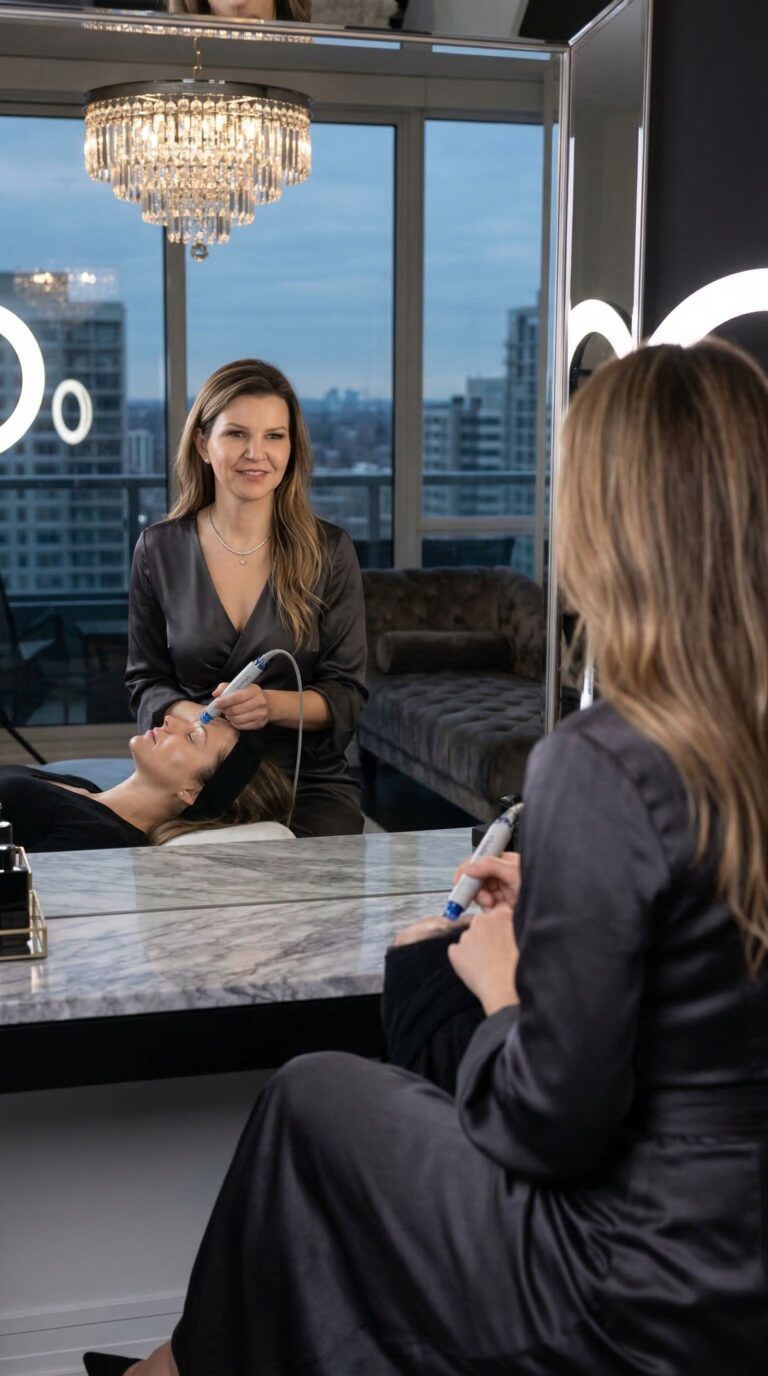
The core purpose shifts from simple maintenance to measurable enhancement. Services may include laser therapies, injectables such as Botox and dermal fillers, deep chemical peels, microneedling, and body contouring. These interventions require a thorough understanding of anatomy, pharmacology, and potential complications.
Three Critical Differences
1. Depth of Treatment
The skin is composed of multiple layers. The outermost layer, the stratum corneum, consists mostly of dead skin cells. Day spa facials primarily scrub and moisturize this top layer. Results look fresh for a day or two, but because the treatment remains superficial, it cannot produce lasting changes in elasticity or texture.
Medical aesthetics involves treatments that intentionally cross the skin barrier. Whether through microneedling, lasers, or chemical peels, we create controlled stimulation in the deeper living layers of the skin. This triggers the body’s natural healing response, generating new collagen and elastin. Medical treatments offer results that can last months or even years.
2. Product Potency: Cosmetic vs. Medical-Grade
The products available at a day spa are generally cosmetic-grade. By regulatory definition, these cannot contain active ingredients strong enough to cause structural change in the skin. They feel and smell wonderful, but their capacity to reverse aging is limited.
Medical aesthetics practices use medical-grade skincare or cosmeceuticals containing higher concentrations of active ingredients like retinoids, vitamin C, and growth factors. These products are formulated with delivery systems capable of penetrating the skin to reach the cells that need repair. The difference is not branding — it is potency and clinical intent.
3. Diagnostic Capability
At a day spa, an esthetician categorizes your skin as “dry,” “oily,” or “sensitive” and selects a treatment from a menu.
In a medical aesthetics practice, we diagnose. As a physician, Dr. V looks for the root cause of skin concerns. Is the acne hormonal? Is that dark spot a simple sun spot or something that warrants a biopsy? Is persistent dryness actually a symptom of thyroid dysfunction? The medical aesthetics vs day spa distinction often comes down to this: one setting treats symptoms, the other investigates root causes and considers your complete health profile.
The Non-Negotiable: Medical Oversight
The most critical differentiator between these settings is the level of medical supervision, and it directly affects your safety.
In a physician-led medical spa, a board-certified physician provides on-site oversight, directing clinical protocols, ensuring sterility meets medical standards, and managing complications. When treatments penetrate the skin — injectables, lasers, deep peels — complications can occur even with perfect technique. Allergic reactions, infection, pigment changes, or the rare vascular event all require immediate medical intervention. A facility with physician leadership has the emergency readiness, prescription authority, and clinical judgment to handle these situations.
Day spas do not require physician oversight for their standard services. While estheticians are skilled in skincare, they are not licensed to diagnose medical conditions, prescribe medications, or manage medical emergencies. If a complication arises, the protocol at a non-medical facility is typically to advise you to see a doctor elsewhere — introducing delays that can sometimes worsen outcomes.
The Internal Medicine Advantage
Patients sometimes ask why an Internal Medicine physician practices aesthetics. The answer lies in the complexity of the human body.
Aesthetics is not just about vanity — it is about biology. When we introduce injectables or energy-based devices, we engage the vascular system, the nervous system, and the immune system. An Internal Medicine background allows Dr. V to see how systemic conditions affect skin health. Thyroid disorders, autoimmune diseases, hormonal imbalances, and medication interactions all influence treatment safety and outcomes.
This holistic perspective means that certain lasers contraindicated for patients on specific medications will not be used. Blood-thinning medications that increase bruising risk with injectables will be accounted for. A patient’s autoimmune condition that may impair healing after laser resurfacing will be identified before treatment begins. A day spa operating on a menu model simply does not have the framework for these assessments.
Making the Right Choice for Your Goals
Choose a Day Spa When:
- You have had a demanding week and need to decompress
- You want a gentle facial massage or aromatherapy session
- You are seeking routine hydration or a temporary glow before an event
- You have no specific skin conditions requiring correction
Choose Medical Aesthetics When:
- You are frustrated by brown spots, redness, or broken capillaries
- You want to prevent or reverse signs of aging with measurable results
- You are interested in Botox, dermal fillers, or laser treatments
- You want to address acne scarring, melasma, or skin laxity
- You want a skincare regimen backed by science, not marketing
- You value physician oversight and diagnostic capability
Can Both Work Together?
Absolutely. Many patients use a day spa for ongoing relaxation and gentle maintenance between their more targeted medical aesthetics treatments. You might undergo a series of laser treatments for pigment at a medical clinic while enjoying regular hydrating facials at a day spa. The key is that the medical treatments form the foundation for structural change, and the spa treatments support overall skin wellness. Always inform your medical aesthetics provider about any other treatments you are receiving.
How to Vet Your Provider
If you decide medical aesthetics is the right path, ensure you are in safe hands:
1. Who is the medical director? Is there a board-certified physician on-site, or is the name just on paperwork?
2. Who performs your procedure? Confirm the injector or laser technician is licensed and properly supervised.
3. What happens if something goes wrong? Ask about the complication protocol. A legitimate practice has emergency medications and trained staff on hand.
4. Is there a medical consultation first? If a facility skips your health history and jumps straight to treatment, that is a red flag.
5. Are treatments customized? Avoid places offering cookie-cutter packages. Your face is unique, and your treatment plan should be too.
Transparency in these areas signals a commitment to safety over sales.
Your Skin Deserves Medical-Grade Care
The choice between medical aesthetics vs day spa comes down to intent. If you seek relaxation, the day spa is your answer. If you seek results, safety, and a partner in your long-term skin health, medical aesthetics is the clear choice.
At Kelsey-Seybold Clinic in Sugar Land, we combine the precision of medicine with the artistry of aesthetics. Dr. V brings her Internal Medicine expertise to every consultation, viewing your skin not just as a canvas but as an organ that reflects your whole health. We invite you to experience the confidence that comes from having a board-certified physician oversee your care.
—
Medical Disclaimer: This article is for informational purposes only and does not constitute medical advice. Always consult with a qualified healthcare provider for personalized medical guidance. To schedule an appointment with Dr. Vuslat Muslu Erdem, call (713) 442-9100.