
Treating Hyperpigmentation: Clinical Options and Realistic Expectations
Few skin concerns are as universally frustrating and notoriously stubborn to resolve as unwanted dark spots, patches, and uneven skin tone.
Whether it manifests as scattered freckling after a sun-soaked summer, persistent dark patches along the cheeks and forehead, or lingering shadows from past acne breakouts, skin discoloration can significantly impact your complexion and your self-confidence. The cosmetic industry is flooded with over-the-counter brightening serums and 'miracle' creams promising overnight results, but the clinical reality is far more complex. Hyperpigmentation is a multifaceted condition rooted deep within the skin's cellular processes. Attempting to eradicate it with generic solutions often leads to disappointment, wasted resources, and in some cases, exacerbation of the very pigmentation you are trying to fade.
In the realm of medical aesthetics, achieving a clear, luminous, and even skin tone requires a targeted, science-backed approach. In this comprehensive guide, we will explore the underlying mechanisms of skin discoloration, evaluate the most effective professional hyperpigmentation treatment options available today, and help you establish realistic timelines for your skin transformation journey. Under the guidance of a skilled medical professional, restoring your skin's natural radiance is an entirely achievable goal.
Understanding Hyperpigmentation: The Science Behind Skin Discoloration
To effectively treat skin discoloration, we must first understand its biological origins. Hyperpigmentation occurs when melanocytes—the specialized cells in the basal layer of your skin—become hyperactive and produce an excess of melanin. Melanin is the pigment responsible for the color of your skin, hair, and eyes, and its primary biological function is to protect your cellular DNA from ultraviolet radiation damage. When these cells are triggered by external or internal stressors, they go into overdrive, depositing concentrated bundles of pigment into the surrounding skin cells (keratinocytes). This uneven distribution creates the visible dark patches and spots on the surface of your complexion.
The complexity of hyperpigmentation treatment lies in the fact that not all dark spots are identical. They originate from completely different triggers, reside at varying depths within the skin's dermal and epidermal layers, and respond drastically differently to clinical interventions. Applying a uniform treatment to all types of pigmentation is a recipe for failure. For example, aggressive heat-based treatments that beautifully clear up sun damage might actually worsen hormonally driven pigmentation. This is why a precise understanding of your specific type of hyperpigmentation is the foundation of any successful aesthetic treatment plan.
- Melanocytes are the specialized skin cells responsible for producing pigment.
- Excess melanin clumps together to form visible dark spots and uneven tone.
- Pigmentation can reside in the superficial epidermis or deeper in the dermis.
- Accurate identification of the pigmentation type is critical for safe and effective treatment.
Melasma: The Hormonal Pigmentation
Melasma is a highly complex, chronic form of hyperpigmentation characterized by symmetrical, blotchy brown or grayish patches, typically appearing on the cheeks, bridge of the nose, forehead, chin, and above the upper lip. Unlike other forms of discoloration, melasma is deeply intertwined with hormonal fluctuations, making it particularly common among women during pregnancy (often referred to as 'the mask of pregnancy'), those taking oral contraceptives, or individuals undergoing hormone replacement therapy. Furthermore, melasma is exquisitely sensitive to both ultraviolet (UV) light and visible light, as well as heat. This means that even a hot yoga class or sitting in a sauna can trigger a flare-up. Treating melasma requires a highly cautious, low-heat approach to avoid stimulating further melanocyte activity.
Sun Spots (Solar Lentigines) and Photodamage
Sun spots, also known as age spots, liver spots, or solar lentigines, are the direct result of cumulative, unprotected exposure to ultraviolet (UV) radiation over many years. As a defense mechanism against UV damage, your skin produces localized concentrations of melanin that rise to the surface, creating flat, distinct, oval-shaped areas of darker pigmentation. These are most commonly found on areas of the body that receive the most sun exposure, such as the face, the backs of the hands, the shoulders, and the décolletage. Because sun spots are generally superficial and not hormonally driven, they are often more straightforward to treat than melasma, responding beautifully to targeted exfoliation and light-based therapies.
Post-Inflammatory Hyperpigmentation (PIH)
Post-inflammatory hyperpigmentation (PIH) is the skin's biological response to trauma or injury. When the skin experiences intense inflammation—such as from a severe acne breakout, an eczema flare-up, a burn, or a superficial wound—the healing process can inadvertently trigger melanocytes to release excess pigment. PIH presents as flat spots of discoloration ranging from pink and red to brown and black, depending on your natural skin tone and the depth of the inflammation. While PIH can eventually fade on its own over many months or years, professional hyperpigmentation treatment can dramatically accelerate the cellular turnover process, lifting the pigmented cells away and revealing clear skin much faster.

The Critical Importance of Professional Diagnosis and Medical Supervision
One of the most common pitfalls in the journey to clear skin is attempting to self-diagnose and self-treat hyperpigmentation. The consumer market is saturated with exfoliating acids, brightening serums, and at-home peeling solutions. While some of these products have merit, using them without understanding the specific nature of your skin discoloration can lead to disastrous results. For instance, aggressively scrubbing or applying high-strength chemical exfoliants to post-inflammatory hyperpigmentation can induce further inflammation, triggering a vicious cycle that creates even more pigment. Similarly, using certain over-the-counter light-based devices on melasma can introduce heat that exacerbates the condition, turning light brown patches into stubborn, dark, dermal pigmentation.
This is why consulting a qualified medical professional is absolutely indispensable. A physician-owned and supervised practice utilizes advanced diagnostic tools and clinical expertise to accurately assess the depth, type, and exact etiology of your pigmentation. Through detailed skin analysis, your provider can determine whether your pigment resides in the superficial epidermis, where it is easier to lift, or deep within the dermis, requiring more advanced, penetrating therapies. By establishing an accurate diagnosis first, a customized, safe, and highly effective treatment protocol can be designed specifically for your unique skin physiology and lifestyle. Always speak with your healthcare provider before beginning any intensive skin brightening regimen.
- Self-treating without a diagnosis can worsen certain types of pigmentation.
- Heat and aggressive friction can trigger melanocytes to produce more pigment.
- Clinical skin analysis determines if pigmentation is epidermal (shallow) or dermal (deep).
- Medical supervision ensures treatments are safe for your specific skin type and Fitzpatrick scale.
Top Professional Hyperpigmentation Treatment Modalities
Once a thorough diagnosis has been established, a medical aesthetics provider can curate a tailored treatment plan. Modern medical aesthetics offers a highly sophisticated arsenal of tools designed to break down existing pigment, accelerate the shedding of discolored cells, and suppress future melanin production. The most successful protocols rarely rely on a single treatment; instead, they utilize a multi-modal approach that combines different therapies to target discoloration from multiple angles. Whether the goal is to gently lift away a summer's worth of sun damage or carefully manage chronic melasma, professional treatments offer a level of efficacy that topical over-the-counter products simply cannot match.
It is important to understand that the intensity of the treatment must be perfectly calibrated to your skin type. Darker skin tones (higher on the Fitzpatrick scale) are inherently more prone to post-inflammatory hyperpigmentation and require highly specialized, gentle approaches to avoid rebound pigmentation. This underscores the necessity of having these procedures performed in a medically supervised environment, where the nuances of skin physiology are deeply understood. To explore the full range of customized procedures the practice offers to address skin tone and texture, you are invited to review our aesthetic services.
- Multi-modal treatment plans yield the fastest and most comprehensive results.
- Treatments must be carefully customized based on your natural skin tone (Fitzpatrick scale).
- Clinical procedures target pigment far deeper than at-home skincare.
- Consistency and adherence to professional protocols are key to success.
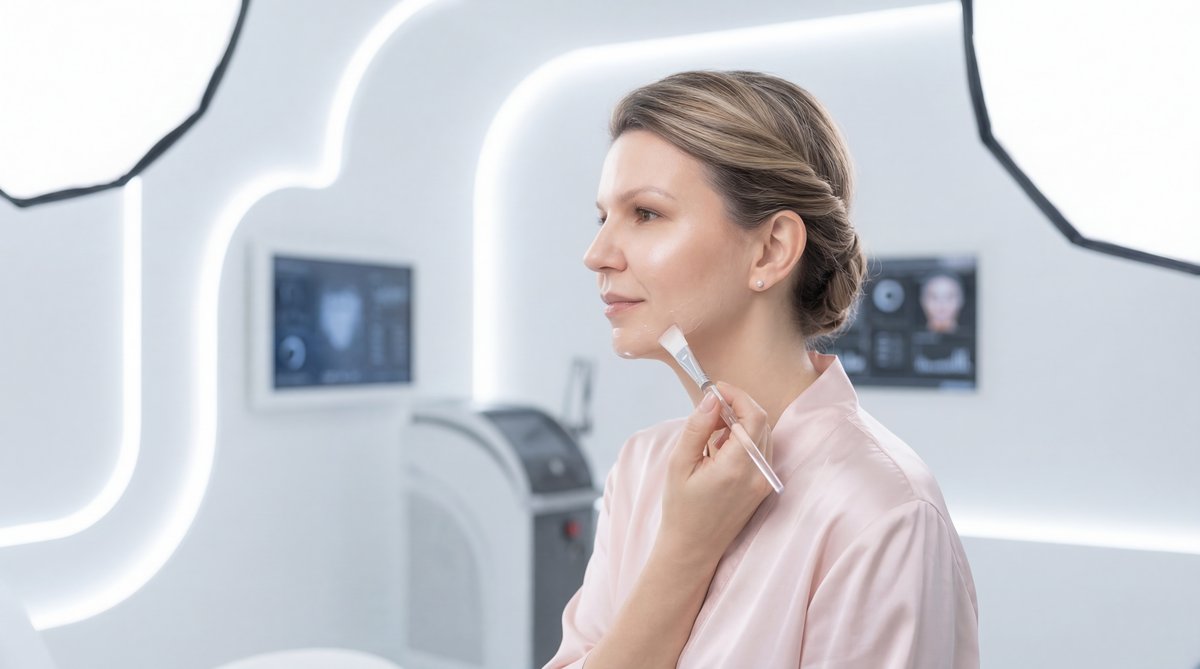
Medical-Grade Chemical Peels
Chemical peels remain a cornerstone of hyperpigmentation treatment due to their versatility and predictable results. By applying a customized blend of exfoliating acids—such as Trichloroacetic Acid (TCA), Salicylic Acid, Lactic Acid, and Mandelic Acid—a medical professional can safely initiate the controlled shedding of the skin's outermost layers. This process forces the body to shed the pigment-laden cells of the epidermis while simultaneously stimulating the production of fresh, new, evenly pigmented skin underneath. For conditions like melasma, specialized formulations that include tyrosinase inhibitors (ingredients that block melanin production) can be infused directly into the skin during the peel, offering both corrective and preventative benefits.
Microneedling and Collagen Induction Therapy
Microneedling, particularly when enhanced with specialized brightening serums or Platelet-Rich Plasma (PRP), is an exceptional tool for addressing skin discoloration, especially PIH and melasma. The device creates thousands of microscopic micro-injuries in the skin, which not only mechanically breaks up clusters of melanin in the deeper layers but also triggers a massive wound-healing cascade. This cascade results in rapid cellular turnover and the formation of pristine new collagen and elastin. Because microneedling does not rely on heat to achieve its results, it is a phenomenally safe and highly effective option for all skin types and tones, carrying a very low risk of triggering rebound pigmentation.
Advanced Laser and Light Therapies
For stubborn sun spots, solar lentigines, and overall photodamage, laser and light therapies offer unparalleled precision. Intense Pulsed Light (IPL) uses broad-spectrum light to target the contrasting color of the dark spots against the surrounding skin. The melanin absorbs the light energy, converts it to heat, and shatters the pigment, which then naturally flakes away over the following week. Fractional non-ablative lasers create microscopic columns of heat deep in the dermis, pushing out old, damaged, pigmented tissue and replacing it with healthy skin. Laser treatments must be administered with expert precision, as applying the wrong wavelength or energy level can cause adverse effects. Your medical provider will carefully select the appropriate laser technology based on your specific presentation.
The Unsung Heroes: Medical-Grade Skincare and Topical Management
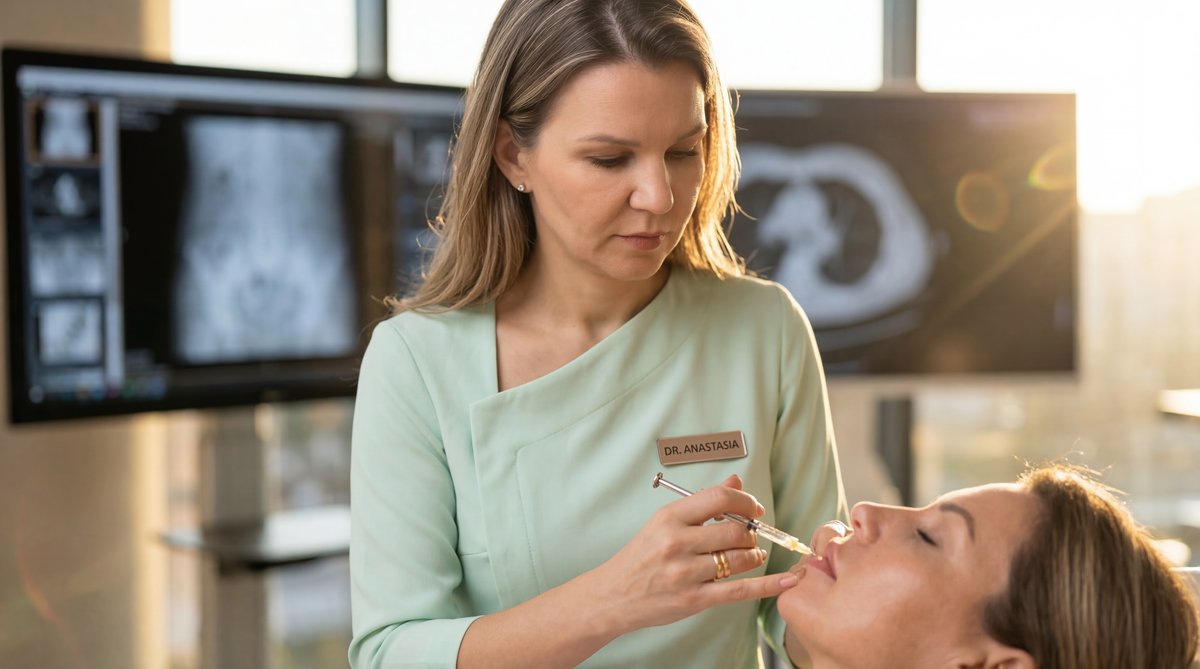
While in-office clinical treatments perform the heavy lifting by breaking down deeply entrenched pigment and accelerating cellular turnover, your daily skincare routine is the crucial scaffolding that supports and maintains those results. Fading hyperpigmentation is not a one-time event; it is an ongoing process of suppression and protection. Medical-grade skincare products are formulated with higher concentrations of active, clinically proven ingredients, and they utilize advanced delivery systems designed to penetrate past the dead stratum corneum and reach the deeper layers of the epidermis where melanocytes reside.
A comprehensive topical hyperpigmentation treatment plan generally addresses three distinct mechanisms: exfoliation to remove existing stained cells, tyrosinase inhibition to shut down the manufacturing of new melanin, and robust antioxidant protection to defend the skin against environmental triggers. Relying solely on in-office treatments without committing to a customized, medical-grade homecare regimen is akin to going to the dentist for a deep cleaning but refusing to brush your teeth at home. To achieve lasting, luminous results, the commitment to daily care is absolutely non-negotiable.
- Medical-grade skincare features higher active ingredient concentrations than over-the-counter options.
- Topical regimens focus on exfoliation, melanin suppression, and environmental protection.
- Daily homecare is essential to maintain the results of in-office clinical treatments.
- Consistency with a customized regimen is the key to preventing the return of dark spots.
Tyrosinase Inhibitors: Stopping Pigment at the Source
To prevent new dark spots from forming, we must interrupt the biological pathway that creates melanin. This is achieved using tyrosinase inhibitors—ingredients that block the enzyme (tyrosinase) required for melanin synthesis. Prescription-strength Hydroquinone remains the gold standard for rapid pigment suppression and is often used in short, carefully monitored cycles under the strict supervision of a medical provider. For long-term maintenance and for those who cannot tolerate hydroquinone, non-prescription alternatives like Kojic Acid, Tranexamic Acid, Azelaic Acid, and Arbutin provide excellent, sustained melanin suppression without the risk of long-term side effects.
Cellular Communicators and Exfoliants
Accelerating the removal of already-pigmented skin cells is the other half of the topical equation. Retinoids (including prescription tretinoin and medical-grade retinol) are vital cellular communicators that dramatically speed up the skin's natural regeneration cycle, pushing dark spots to the surface where they can be shed. Alpha Hydroxy Acids (AHAs) like Glycolic and Lactic acid gently dissolve the bonds holding dead, discolored cells to the surface of the skin. Additionally, potent antioxidants like Vitamin C not only provide mild tyrosinase inhibition but also protect the skin from free radical damage caused by UV rays and pollution, which are known triggers for hyperpigmentation.

Setting Realistic Expectations: Timelines, Commitment, and Maintenance
One of the most vital aspects of starting a hyperpigmentation treatment journey is setting realistic, scientifically grounded expectations. It is entirely natural to desire immediate results, especially when dark spots are causing emotional distress. However, it is crucial to remember that it often took years of sun exposure, hormonal shifts, or localized inflammation for that pigment to form and settle into your skin. Consequently, safely lifting and dismantling that pigment will take time, patience, and unwavering consistency. Beware of any product or unverified treatment claiming to erase dark spots in a matter of days; true, safe cellular remodeling follows the biological clock of your skin.
The average cellular turnover cycle for a healthy adult is approximately 28 to 30 days. As we age, this cycle progressively slows down, sometimes taking up to 45 or 50 days. This means that even with the most advanced, aggressive topical treatments and clinical procedures, it generally takes a minimum of one to two full skin cycles (roughly 4 to 8 weeks) to begin seeing a noticeable, visible lightening of the dark patches. For deep, dermal pigmentation or chronic conditions like melasma, the timeline for significant improvement extends to 3 to 6 months of dedicated, uninterrupted care. The journey to clear skin is a marathon, not a sprint.
- Cellular turnover takes roughly 30 days; results require multiple skin cycles.
- Fading superficial sun damage is generally faster than clearing dermal melasma.
- Patience and strict adherence to your provider's protocol are essential for success.
- Pigmentation management is an ongoing lifestyle commitment, not a quick fix.
The Non-Negotiable Role of Sun Protection
If there is one absolute, unbreakable rule in the realm of hyperpigmentation treatment, it is the religious application of broad-spectrum sunscreen. All the chemical peels, advanced lasers, and expensive medical-grade serums in the world will be rendered completely useless if the skin is left unprotected from ultraviolet radiation. UV rays are the primary catalyst for melanocyte activity. Even an incidental five minutes of unprotected sun exposure—such as driving your car or walking to the mailbox—can trigger a massive surge in melanin production and instantly reverse months of careful clinical progress. Applying a broad-spectrum SPF of 30 or higher every single morning is mandatory.
Advanced Protection for Melasma Patients
For individuals battling melasma, standard sunscreen is often not enough. Because melasma is exquisitely sensitive to visible light (including the blue light emitted by computer screens and smartphones) and heat, standard chemical sunscreens may fall short. Patients with melasma are strongly advised to use physical (mineral) sunscreens containing high percentages of Zinc Oxide and Titanium Dioxide. Furthermore, selecting a tinted mineral sunscreen that contains Iron Oxides is crucial, as Iron Oxides have been clinically proven to block the visible light spectrum that triggers melasma flare-ups. Combined with wide-brimmed hats and sun-protective clothing, this comprehensive defense strategy is vital for maintaining an even complexion.
Why Choose a Physician-Led Med Spa for Your Skin Transformation Journey
Addressing complex skin discoloration requires far more than a standard facial or an over-the-counter cream; it demands a deep, scientific understanding of dermal anatomy, cellular biology, and the complex mechanics of melanin production. By choosing a physician-owned and supervised medical spa, you are elevating your care from basic cosmetic maintenance to advanced, clinical intervention. Medical professionals possess the extensive training required to safely navigate the fine line between effectively treating dark spots and inadvertently causing harmful skin trauma. This medical oversight ensures that every peel, laser pulse, and skincare recommendation is backed by science and tailored to your unique physiological needs.
your safety, comfort, and clinical outcomes are our highest priorities. Our treatments are overseen by Dr. Vuslat Muslu Erdem, a highly esteemed medical doctor who seamlessly merges her rigorous medical expertise with the refined art of aesthetic medicine. Dr. V believes in providing natural-looking, transformative results through comprehensive, evidence-based care. When you partner with our dedicated team, you gain access to the most advanced diagnostic tools, premium medical-grade therapies, and the continuous support necessary to achieve and maintain a luminous, even-toned complexion for years to come.
- Physician-led care guarantees treatments are medically sound and customized.
- Medical oversight significantly reduces the risk of adverse reactions and complications.
- Access to prescription-strength topicals and advanced clinical technologies.
- Expertise in treating complex, chronic conditions like melasma safely and effectively.

Conclusion
Hyperpigmentation, whether manifesting as sun spots, melasma, or post-acne marks, is a complex biological condition that requires a precise, targeted, and medically supervised approach. By understanding the root causes of your skin discoloration and combining advanced in-office clinical treatments—such as medical-grade chemical peels, collagen induction therapy, and specific laser modalities—with a rigorous daily regimen of medical-grade skincare and strict sun protection, achieving a clear, radiant, and even complexion is well within reach. The key is patience, consistency, and professional guidance.
Your skin is as unique as you are, and ythis journey to an even, glowing complexion deserves customized, expert attention. Dr. V is dedicated to walking alongside you, providing the highest standard of care and the scientific expertise needed to reveal your skin's true vitality.
MEDICAL DISCLAIMER: Results from aesthetic treatments vary by individual. All procedures carry risks and should be discussed with your provider. This content is for educational purposes only. Never disregard professional medical advice or delay in seeking it because of something you have read on this website.
Are you ready to say goodbye to stubborn dark spots and embrace a brighter, more confident you? Take the first step toward your skin transformation today and schedule a consultation with our expert team to discover your personalized hyperpigmentation treatment plan.
Frequently Asked Questions
Can hyperpigmentation be cured permanently?
While hyperpigmentation can be dramatically faded and expertly managed to the point where it is no longer visible, some forms, like melasma, are chronic and cannot be permanently 'cured'. However, with a dedicated maintenance plan, daily use of medical-grade skincare, and absolute strict adherence to sun protection, you can maintain clear, beautiful results long-term.
Are laser treatments safe for darker skin tones?
Yes, but they must be carefully selected and administered by a highly trained medical professional. Darker skin tones are more susceptible to post-inflammatory hyperpigmentation if the wrong laser or too much heat is used. Modalities like microneedling and specific types of gentle chemical peels are often preferred, and when lasers are used, precise settings are crucial to ensure safety and efficacy.
How long does it take to see results from a hyperpigmentation treatment plan?
Because cellular turnover takes about 28 to 30 days, most patients begin to see initial improvements in skin tone within 4 to 6 weeks of starting a comprehensive clinical and topical regimen. For deeper dermal pigmentation or severe melasma, significant, transformative results generally require 3 to 6 months of consistent, dedicated treatment.
Does drinking water help fade dark spots?
While staying optimally hydrated is essential for overall cellular health, tissue repair, and maintaining a glowing complexion, drinking water alone will not fade existing hyperpigmentation. Dark spots are accumulations of melanin that require active intervention, such as topical tyrosinase inhibitors and professional exfoliation, to effectively break down and clear from the skin.
Why did my dark spots get darker after a day in the sun, even though I wore sunscreen?
No sunscreen blocks 100% of UV rays. Furthermore, heat alone—even without direct UV exposure—can trigger melanocyte activity, particularly in individuals with melasma. It is also common for people to under-apply sunscreen or forget to reapply it every two hours. For maximum protection, combine a broad-spectrum mineral SPF with a wide-brimmed hat, seek shade, and consider a tinted sunscreen with iron oxides to block visible light.
Results from aesthetic treatments vary by individual. All procedures carry risks and should be discussed with your provider. This content is for educational purposes only.