Your First Botox Visit: A Step by Step Guide for Beginners
For many individuals considering aesthetic enhancements, the decision to undergo a first neuromodulator treatment is accompanied by a mixture of excitement and apprehension.
The world of medical aesthetics is filled with terminology, varying opinions, and misconceptions that can make the process feel overwhelming for a newcomer. Questions about safety, pain levels, and potential results often deter patients from seeking treatments that could significantly boost their confidence and skin health.
This comprehensive guide aims to demystify the entire experience of receiving Botox or similar neuromodulators for the first time. From understanding the underlying science to navigating the consultation process and managing aftercare, this article provides a medically grounded roadmap. Readers will learn exactly what to expect at every stage, ensuring they feel prepared and informed before they step into a clinic.
Understanding Neuromodulators: The Science Behind the Smooth
Before booking an appointment, it is crucial for patients to understand exactly what they are introducing to their bodies. Botox is the most recognized brand name for a specific type of neuromodulator, but it is not the only option available in the field of aesthetic medicine. Products like Dysport, Xeomin, and Jeuveau all function similarly, utilizing a purified protein derived from botulinum toxin type A. When administered by a qualified healthcare provider, these treatments work by temporarily blocking the nerve signals to specific facial muscles. This inhibition prevents the muscle from contracting, which in turn relaxes and softens the wrinkles that form above the muscle.
It is important to distinguish between dynamic wrinkles and static wrinkles. Dynamic wrinkles are formed by repetitive muscle movements, such as frowning, squinting, or raising eyebrows. Neuromodulators are most effective on these types of lines. Static wrinkles, which are visible even when the face is at rest, may require a combination of treatments, such as dermal fillers or laser resurfacing, to achieve optimal results. Educating oneself on these distinctions helps set realistic expectations for the outcome of the procedure.
Safety is a paramount concern for any medical procedure. Neuromodulators have been extensively studied and used for decades, not only for cosmetic purposes but also for medical conditions such as chronic migraines, excessive sweating (hyperhidrosis), and muscle spasms. When performed by a board-certified physician like Dr. Vuslat Muslu Erdem, who understands facial anatomy and muscle dynamics, the risks are minimized, and the results can be both subtle and transformative.
- Neuromodulators block nerve signals to muscles, preventing contraction.
- Treatment is most effective on dynamic wrinkles caused by movement.
- Botox, Dysport, and Xeomin are common brands with similar mechanisms.
- These treatments have a long history of safety for both medical and cosmetic use.
Common Treatment Areas for Beginners
For a first-time patient, starting conservatively is often recommended. The most common areas treated during an initial visit include the glabella (the '11' lines between the eyebrows), the frontalis (horizontal forehead lines), and the orbicularis oculi (crow's feet around the eyes). Treating these areas can open up the eyes and provide a rested, rejuvenated appearance without altering the fundamental character of the face. Physicians at Kelsey-Seybold Clinic often advise addressing these key zones first to gauge how the patient's muscles respond to the medication.

Preparing for Your Appointment: Dos and Don'ts
Preparation is a key component of a successful aesthetic treatment. While neuromodulator injections are often referred to as 'lunchtime procedures' due to their speed and minimal downtime, there are specific medical guidelines that should be followed to minimize side effects such as bruising. A primary recommendation from medical professionals is to avoid blood-thinning medications and supplements for roughly one week prior to the appointment, provided it is medically safe to do so. This includes aspirin, ibuprofen (Advil, Motrin), Excedrin, Vitamin E, fish oil, and ginseng. These substances can increase the likelihood of bruising at the injection site.
Alcohol consumption should also be avoided for at least 24 hours before the treatment. Alcohol acts as a vasodilator, expanding blood vessels and increasing the risk of bruising. Additionally, arriving at the appointment with a clean face—free of heavy makeup—allows the provider to better assess the skin and reduces the risk of infection. While the provider will always sanitize the area before injection, starting with clean skin streamlines the process.
It is also beneficial to have a light meal or snack before the visit to prevent lightheadedness. Anxiety about the procedure can sometimes lead to a vasovagal response (fainting), and having stable blood sugar levels helps mitigate this risk. Patients should come prepared with a list of their current medications and medical history to discuss during the consultation. Transparency about medical history ensures that aesthetic treatments are safe and appropriate for the individual's specific health profile.
- Avoid blood thinners like aspirin, ibuprofen, and fish oil for one week prior.
- Refrain from consuming alcohol for 24 hours before the appointment.
- Arrive with a clean face or minimal makeup.
- Eat a light meal beforehand to prevent lightheadedness.
The Consultation and Injection Process
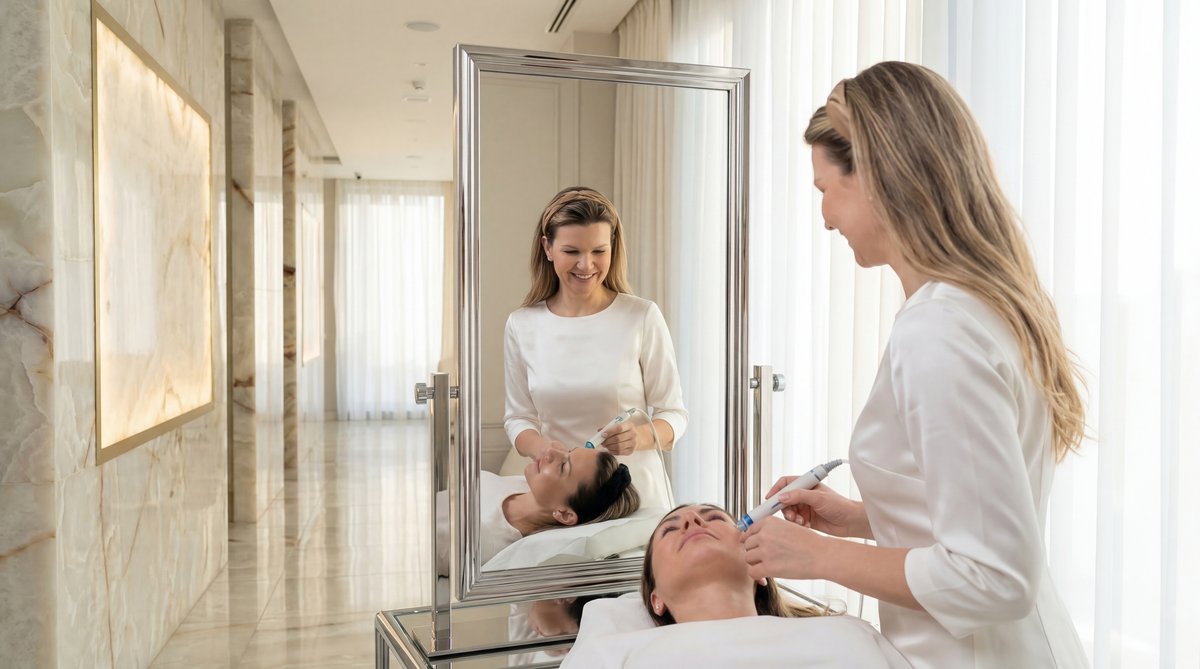
The appointment typically begins with a comprehensive consultation. This is the time for the patient to express their aesthetic goals and for the provider to evaluate facial anatomy. A skilled injector will ask the patient to make various facial expressions—frowning, raising eyebrows, smiling widely—to observe muscle strength and asymmetry. This dynamic assessment allows the physician to create a customized injection map tailored to the patient's unique facial structure. No two faces are identical, and a cookie-cutter approach rarely yields the best results.
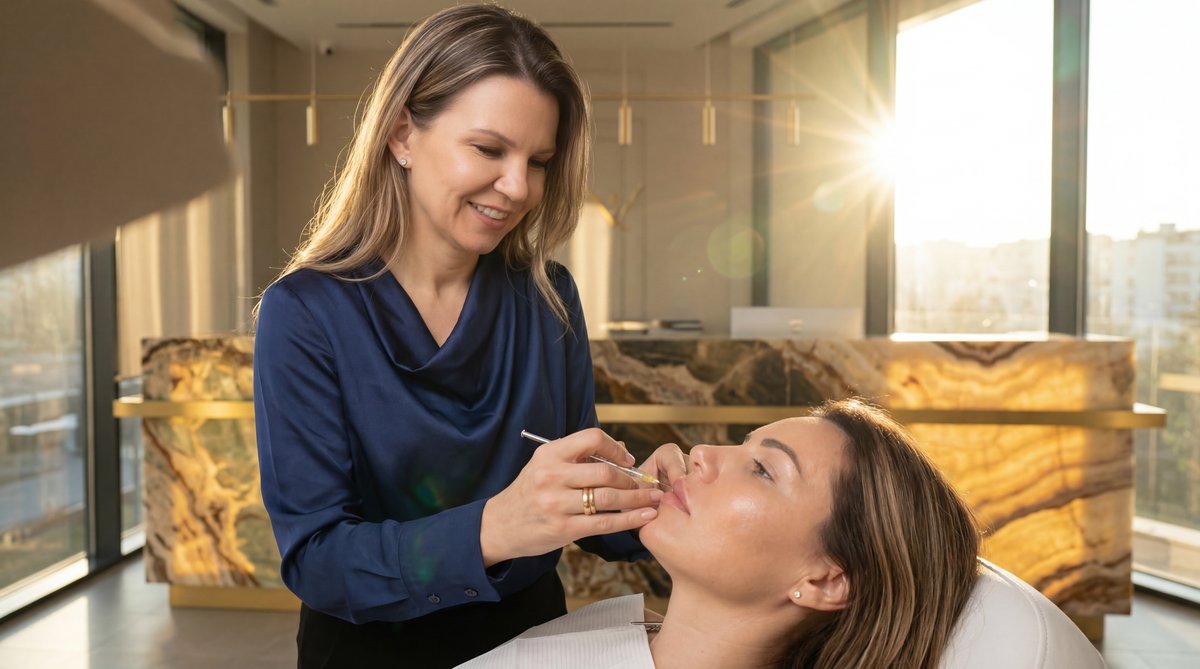
Once the plan is established, the actual injection process is surprisingly quick, often taking less than 10 to 15 minutes. The needles used for neuromodulator injections are extremely fine, often compared to the size of an insulin needle. Most patients report only mild discomfort, describing the sensation as a slight pinch or a bug bite. For those with a low pain threshold, a topical numbing cream or ice pack can be applied beforehand to numb the area, though many find this unnecessary.
The provider will administer a series of small injections into the targeted muscles. Throughout the procedure, the physician may ask the patient to contract and relax specific muscles to ensure precise placement of the product. Following the injections, small red bumps may appear at the injection sites, resembling mosquito bites. These typically subside within 15 to 30 minutes. Minor bruising can occur but is generally easily covered with makeup after the initial healing period. Patients looking to schedule a consultation should plan their day to allow for this brief recovery window.
Essential Aftercare for Optimal Results
Post-treatment care is just as important as the procedure itself in determining the quality of the results. The goal of aftercare is to ensure the product remains in the targeted muscles and does not migrate to unintended areas. One of the most critical rules is to remain upright for at least four hours following the treatment. Lying down flat or bending over excessively can potentially cause the neuromodulator to spread, which could lead to temporary complications such as eyelid drooping (ptosis).
Patients are also advised to avoid vigorous exercise and excessive heat exposure for the first 24 hours. Activities that increase heart rate and blood flow, such as running, heavy lifting, or visiting a sauna, can increase the risk of bruising and potentially metabolize the product faster before it has fully bound to the nerve receptors. Gentle facial movements, like frowning or smiling, are sometimes encouraged immediately after the procedure to help the product integrate into the muscle, but massaging or rubbing the treated areas is strictly prohibited.
Touching or manipulating the injection sites can physically displace the medication. If a patient applies skincare or makeup later in the day, they should do so with a very gentle touch. While normal daily activities can generally be resumed immediately, adhering to these specific restrictions ensures the safety and efficacy of the treatment. Board-certified physicians emphasize that following these guidelines is a small investment of effort for a significant payoff in results.
- Remain upright for at least four hours after injection.
- Avoid intense exercise, saunas, and hot tubs for 24 hours.
- Do not rub, massage, or apply pressure to the treated areas.
- Gentle facial expressions are safe and may be beneficial.

Managing Expectations: The Timeline of Results
A common misconception among first-time patients is that the results of Botox will be immediate. In reality, neuromodulators require time to bind to the nerve receptors and inhibit muscle activity. While some softening may be visible within 3 to 5 days, the full effect typically takes 10 to 14 days to manifest. Patients should not judge the final outcome of their treatment until the two-week mark has passed.
During this waiting period, it is normal to experience some asymmetry as different muscles may respond to the medication at different rates. One eyebrow might relax faster than the other, or certain lines may disappear before others. This is part of the normal physiological process and usually resolves once the product has taken full effect. If asymmetry persists after two weeks, a follow-up appointment is often recommended. At this touch-up visit, the provider can add small amounts of product to perfect the results.
The longevity of the results varies by individual, typically lasting between 3 to 4 months. Factors such as the patient's metabolism, muscle strength, and the dosage administered all play a role in how long the effects endure. As the muscle action gradually returns, the lines and wrinkles will begin to reappear, though often less severe than before due to the period of inactivity. Regular maintenance treatments are necessary to sustain the smooth appearance, and many patients find that with consistent treatment, the intervals between appointments can be extended.
Conclusion
Embarking on the journey of medical aesthetics with a first Botox treatment is a decision that blends science with self-care. By understanding the mechanism of neuromodulators, preparing adequately for the appointment, and adhering to strict aftercare protocols, patients can ensure a safe and satisfying experience. The key to a natural and effective result lies in choosing a qualified medical professional who prioritizes patient safety and education.
Aesthetic treatments are not just about altering appearance; they are about aligning how one feels on the inside with what is reflected in the mirror. With the right guidance and realistic expectations, the first visit can be the beginning of a positive and proactive approach to skin health.
For personalized advice regarding aesthetic treatments and skin health, consult your healthcare provider or speak with a board-certified physician at Kelsey-Seybold Clinic.
Frequently Asked Questions
Does the injection hurt?
Most patients report minimal discomfort, often comparing the sensation to a quick pinch or a bug bite. The needles used are very fine. Topical numbing cream can be requested if a patient is particularly sensitive.
How long will the results last?
Results typically last between 3 to 4 months. However, this varies based on individual metabolism and muscle strength. Consistent treatments may help extend the duration of the effects over time.
What is the best age to start Botox?
There is no specific 'right' age; it depends on the condition of the skin. Many patients begin in their late 20s or early 30s for 'preventative' treatment to stop deep static lines from forming, while others wait until wrinkles are more visible.
Will my face look frozen or unnatural?
When administered by an experienced medical professional, the goal is to soften expressions, not erase them. A skilled provider creates a natural look where the patient looks rested and refreshed, rather than 'frozen'.
Can I exercise after my appointment?
It is recommended to avoid vigorous exercise for at least 24 hours post-treatment. Elevated heart rate and blood flow can increase the risk of bruising and potentially displace the product.
Results from aesthetic treatments vary by individual. All procedures carry risks and should be discussed with your provider. This content is for educational purposes only.