The Ultimate Winter Timeline for Summer Body Contouring Prep
The old adage that 'summer bodies are made in winter' holds profound truth when it comes to non-surgical aesthetic treatments.
Many individuals wait until the first warm days of May to begin thinking about achieving their aesthetic goals for swimsuit season. Unfortunately, because non-surgical body contouring relies on the body's natural metabolic processes to eliminate treated fat cells and build new collagen, starting in late spring rarely leaves enough time to see optimal results. Rushing the process can lead to frustration and unmet expectations, as the biological mechanisms involved in fat reduction and skin tightening require weeks to months to fully manifest.
This comprehensive guide explores the ultimate summer body contouring timeline, breaking down the essential steps from initial consultation in the winter months to final maintenance in early summer. By understanding the physiological timeline required for popular aesthetic treatments, patients can strategically plan their procedures alongside a healthy lifestyle to achieve gradual, natural-looking enhancements. Dr. Vuslat Muslu Erdem emphasizes that successful body contouring is a journey, not an overnight fix, and outlines how to structure a timeline for optimal success.
Why Winter is the Ideal Time to Start Body Contouring
Initiating a summer body contouring timeline during the winter months offers several distinct clinical and practical advantages. First and foremost, non-surgical body contouring technologies—whether they utilize freezing temperatures (cryolipolysis), heat (radiofrequency or laser), or ultrasound—do not instantly remove fat from the body. Instead, these modalities induce targeted damage to adipocytes (fat cells), triggering an inflammatory response. Over the following weeks and months, the body's lymphatic system and macrophages work diligently to process and eliminate these cellular remnants. This biological clearance process typically takes a full 12 to 16 weeks to reach its peak visible outcome. By starting in January or February, the body is given ample time to complete this metabolic clearance just as summer begins.
Furthermore, winter naturally aligns with recovery and lifestyle protocols. Many skin tightening and body contouring treatments require patients to avoid direct sun exposure on the treated areas to prevent hyperpigmentation and ensure optimal healing. During the colder months, individuals naturally wear more clothing, effortlessly protecting treated skin from harmful ultraviolet rays. Additionally, temporary side effects such as mild swelling, redness, or bruising—which are common following non-invasive treatments—are easily concealed beneath winter sweaters and long pants.
Starting early also allows for a staged approach to treatment. Rarely does a single session yield the profound transformation a patient desires. Most non-surgical body contouring protocols require a series of treatments spaced several weeks apart to achieve maximum efficacy. A winter start date provides the necessary runway to complete a multi-session treatment plan without feeling rushed. It also leaves room to combine different modalities, such as following up fat reduction with muscle stimulation or skin tightening therapies, ensuring a comprehensive aesthetic outcome. To explore the foundational aspects of aesthetic planning, patients can review the services offered to understand the breadth of available technologies.
- Metabolic clearance of treated fat cells takes 12 to 16 weeks to complete.
- Winter clothing naturally protects treated areas from sun exposure and hides temporary swelling.
- Starting early accommodates multi-session treatment plans and combination therapies.
The Biology of Non-Surgical Fat Reduction
Understanding the biology behind non-surgical fat reduction is crucial for setting realistic timeline expectations. Unlike liposuction, which physically extracts fat tissue immediately, non-invasive devices rely on apoptosis—programmed cell death. Once the fat cells are crystallized or thermally disrupted, they break down into fragments. The immune system dispatches macrophages to engulf and digest these fragments, which are then transported through the lymphatic system to the liver for excretion. This gradual biological processing is why patience is a required component of the summer body contouring timeline.

Phase 1: Consultation and Baseline Planning (January)
The foundation of any successful summer body contouring timeline begins with a thorough medical and aesthetic consultation. January is the optimal month to schedule this initial evaluation. During a comprehensive consultation, a healthcare provider will assess the patient's baseline anatomy, discuss specific aesthetic goals, and evaluate body composition to determine if they are an appropriate candidate for non-surgical treatments. It is important to note that body contouring devices are not intended for significant weight loss; rather, they are designed to target localized, stubborn pockets of fat that are resistant to diet and exercise.
During this planning phase, a board-certified physician will review the patient's medical history to ensure there are no contraindications for specific technologies. For example, individuals with certain cold agglutinin diseases cannot undergo cryolipolysis, while those with implanted electronic devices may not be candidates for electromagnetic muscle stimulation. This meticulous screening process ensures both safety and efficacy. The provider will also help set realistic expectations, explaining that individual results vary based on age, skin laxity, metabolic rate, and lifestyle factors.
Once medical clearance is established, a customized treatment roadmap is created. This roadmap outlines the specific modalities to be used, the number of sessions required, and the strategic spacing between appointments. Patients should view this phase as an educational opportunity to learn about how different treatments synergize. For instance, a provider might recommend a protocol that begins with fat reduction, followed by skin tightening to address any resulting tissue laxity. Setting this structured plan in January provides a clear, stress-free schedule leading up to the summer months. For more information on how medical expertise guides these plans, patients can read about Dr. V.
- Comprehensive medical evaluation ensures patient safety and suitability for specific devices.
- Establishing baseline metrics and photographs helps track gradual progress over the coming months.
- A customized treatment roadmap schedules multi-modality sessions with appropriate healing intervals.
Establishing Realistic Aesthetic Goals
A critical component of the Phase 1 consultation is establishing achievable goals. Non-surgical contouring offers subtle, natural-looking enhancements rather than dramatic surgical transformations. Healthcare providers work closely with patients to visualize potential outcomes, emphasizing that optimal results require adherence to the recommended treatment schedule and a commitment to maintaining a stable weight throughout the process.
Phase 2: Primary Fat Reduction Treatments (February to March)
With a plan firmly in place, February and March serve as the optimal months to execute primary fat reduction treatments. Because fat reduction requires the longest lead time for visible results, these procedures must be prioritized early in the summer body contouring timeline. Modalities such as cryolipolysis (fat freezing) or laser-induced lipolysis are typically administered during this window. Depending on the targeted area—whether it is the abdomen, flanks, thighs, or submental region—patients may require one to three sessions spaced four to eight weeks apart.
Executing these treatments in late winter ensures that the body's macrophage and lymphatic activity is well underway before the summer season arrives. After a session, patients can immediately resume their normal daily activities, though some localized tenderness, swelling, or numbness is to be expected. Because the weather is still cool, patients can easily utilize compression garments if recommended by their provider, which can help manage temporary swelling and provide comfort to the treated areas.
It is during Phase 2 that patients must remain most patient. The first few weeks following a fat reduction treatment will yield little to no visible change in body contour. In fact, due to localized inflammation and swelling, the treated area may temporarily appear slightly larger. Trusting the biological process is essential during this period. Hydration plays a critical role in this phase; drinking ample water supports the lymphatic system's ability to flush out the destroyed fat cells efficiently. Maintaining a stable weight through consistent nutrition and exercise is also imperative, as gaining weight can cause remaining fat cells to expand, masking the results of the contouring treatment.
- Primary fat reduction therapies must be performed early to allow 12-16 weeks for metabolic clearance.
- Cooler weather facilitates the comfortable use of compression garments to manage post-treatment swelling.
- Consistent hydration is necessary to support lymphatic drainage and the elimination of disrupted fat cells.
The Importance of Spacing Treatments
When multiple sessions of fat reduction are required for a single area, healthcare providers mandate specific intervals between appointments—often 4 to 8 weeks. This waiting period allows the initial inflammatory response to subside and gives the provider an accurate assessment of the remaining fat layer before administering subsequent treatments. Rushing sessions does not accelerate the body's metabolic clearance rate.

Phase 3: Skin Tightening and Muscle Toning (April to May)
As the results of the primary fat reduction begin to manifest in early spring, Phase 3 of the summer body contouring timeline introduces skin tightening and muscle toning therapies. Reducing volume in a localized area can sometimes reveal underlying skin laxity, particularly in patients with reduced collagen production due to aging or sun damage. April and May are ideal for deploying radiofrequency (RF) or ultrasound technologies designed to stimulate neocollagenesis (the production of new collagen) and elastin remodeling.
Radiofrequency treatments deliver controlled thermal energy into the dermal and subdermal layers, causing immediate collagen fiber contraction and initiating a long-term healing cascade that thickens and firms the skin. Because collagen remodeling takes several weeks to visually tighten the tissue, performing these treatments in mid-spring ensures the skin appears firmer by mid-summer. Multiple sessions, usually spaced one to two weeks apart, are standard for optimal skin tightening results.
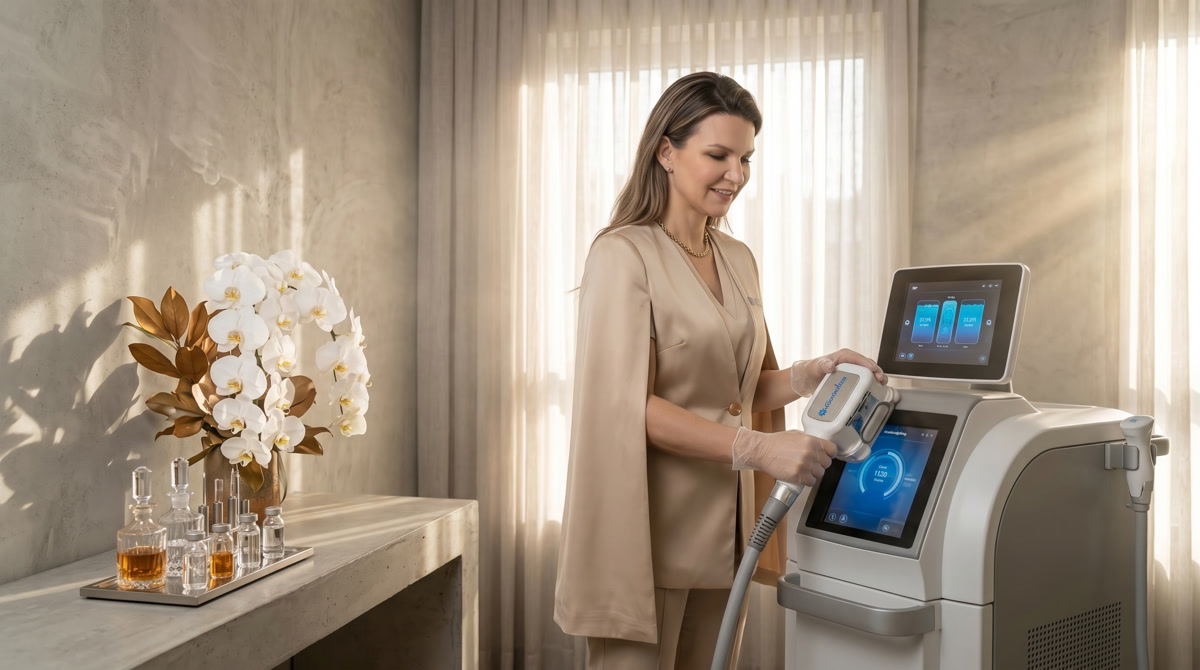
Concurrently, patients may opt for non-invasive muscle stimulation treatments during this phase. High-intensity focused electromagnetic (HIFEM) technology or similar modalities induce supramaximal muscle contractions that cannot be achieved through standard voluntary workouts at the gym. These treatments not only build muscle mass but can also contribute to localized fat metabolism. A standard protocol often involves four to six sessions over a two-to-three-week period. By targeting the musculature beneath the newly reduced fat layer, patients can achieve a more defined, sculpted appearance just in time for vacation season. To explore how these modalities fit into a broader aesthetic journey, patients can browse the educational blog articles provided by medical professionals.
- Radiofrequency and ultrasound therapies stimulate collagen production to address post-fat-reduction skin laxity.
- Collagen remodeling takes weeks, making mid-spring the ideal time for skin tightening procedures.
- Electromagnetic muscle stimulation enhances core definition and complements fat reduction efforts.
Synergy of Modalities
The combination of fat reduction, skin tightening, and muscle toning represents the gold standard in non-surgical body contouring. By sequentially targeting adipose tissue, dermal laxity, and underlying musculature, patients achieve comprehensive, multi-dimensional results. This strategic layering of treatments requires careful planning by a medical professional to ensure each modality complements, rather than interferes with, the healing timeline of the others.
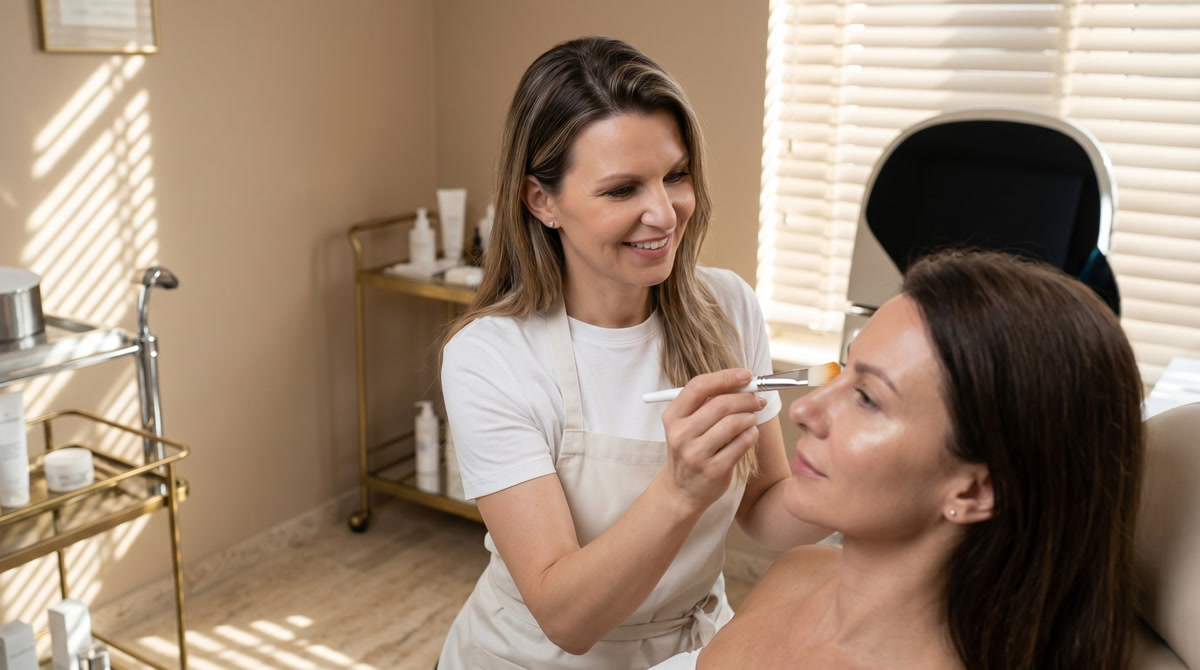
Phase 4: Maintenance and Lifestyle Integration (June and Beyond)
By the time June arrives, patients who adhered to the summer body contouring timeline will be experiencing the peak results of their winter and spring treatments. The destroyed fat cells have been largely metabolized, new collagen has firmed the skin, and muscle tone has been enhanced. However, Phase 4 is not an end point; rather, it is a transition into maintenance and lifestyle integration to preserve the aesthetic investment.
Non-surgical body contouring does not prevent future weight gain. The fat cells that were destroyed are permanently removed, but the remaining fat cells in the body can still expand if a patient enters a caloric surplus. Therefore, adopting a sustainable, healthy lifestyle is paramount. A balanced diet rich in lean proteins, fiber, and healthy fats, coupled with a consistent exercise regimen encompassing both cardiovascular activity and strength training, will ensure long-lasting results. Healthcare providers frequently emphasize that body contouring should be viewed as a catalyst for a healthier lifestyle, not a replacement for one.
During the summer months, patients may also consider scheduling maintenance sessions. While fat reduction results are generally long-lasting (provided weight is maintained), skin tightening and muscle toning require ongoing upkeep. A touch-up session of radiofrequency skin tightening or a follow-up muscle stimulation treatment every few months can help sustain the desired aesthetic. Furthermore, protecting the skin from UV damage during summer vacations with broad-spectrum sunscreen is essential for maintaining dermal health and preventing collagen degradation. Patients ready to start planning their personalized timeline should schedule an appointment with a qualified provider.
- Remaining fat cells can still expand with weight gain, making a healthy diet and regular exercise essential.
- Periodic maintenance sessions help sustain skin firmness and muscle definition over time.
- Sun protection preserves new collagen and protects the skin's structural integrity during summer months.
The Role of Lymphatic Health
Maintaining an efficient lymphatic system continues to be important even after the primary clearance phase is over. Regular physical activity, adequate hydration, dry brushing, and professional lymphatic drainage massages can support ongoing metabolic health and reduce water retention, helping to keep the newly contoured silhouette looking sharp and defined throughout the summer.

Conclusion
Achieving optimal aesthetic results for the summer requires foresight, patience, and a well-structured plan. By initiating the summer body contouring timeline in the winter, patients provide their bodies with the necessary weeks and months to metabolize targeted fat cells, generate new collagen, and build muscle tissue. From the initial January consultation through the progressive phases of fat reduction and skin tightening, a strategic approach ensures a safe and effective transformation.
While the technologies driving non-surgical body contouring are highly advanced, they work in partnership with the body's natural biological rhythms. Embracing this gradual process leads to natural-looking enhancements that boost confidence.
To design a personalized body contouring timeline tailored to your unique goals, consult your healthcare provider or speak with a board-certified physician today.
Disclaimer: Results from aesthetic treatments vary by individual. All procedures carry risks and should be discussed with your provider. This content is for educational purposes only and is not a substitute for professional medical advice.
Frequently Asked Questions
How far in advance of summer should I start body contouring?
It is highly recommended to begin the consultation and treatment process 4 to 6 months before you want to see peak results. Starting in January or February allows the body the standard 12 to 16 weeks required to flush out treated fat cells and build new collagen.
Will I see immediate results after a fat reduction treatment?
No, non-surgical fat reduction does not yield immediate results. The body must naturally metabolize and eliminate the destroyed fat cells through the lymphatic system, a process that typically reveals noticeable changes after 3 to 4 weeks, with final results appearing around the 12-week mark.
Can I combine different body contouring treatments at the same time?
Yes, combining modalities is often recommended for comprehensive results. A board-certified physician can create a staged plan that safely pairs fat reduction techniques with skin tightening or muscle stimulation therapies to enhance the overall contour.
Are the results of non-surgical body contouring permanent?
The fat cells destroyed during treatments like cryolipolysis or laser lipolysis are permanently eliminated. However, remaining fat cells can still expand if weight is gained, meaning a healthy diet and exercise regimen are crucial to maintaining the results.
Is there downtime associated with these treatments?
Most non-surgical body contouring treatments require little to no significant downtime. Patients can typically return to daily activities immediately, though temporary side effects such as mild swelling, redness, bruising, or tenderness in the treated area are common and subside over a few days to weeks.
Results from aesthetic treatments vary by individual. All procedures carry risks and should be discussed with your provider. This content is for educational purposes only.